![PortStrategy[GreenPort]](https://www.portstrategy.com/wp-content/uploads/2026/09/PortStrategyGreenPort.svg)






Port Integration project takes off
Speedy, cost-effective freight flows that contribute to regional competitiveness while reducing environmental impact are at the centre of a new European ports project.
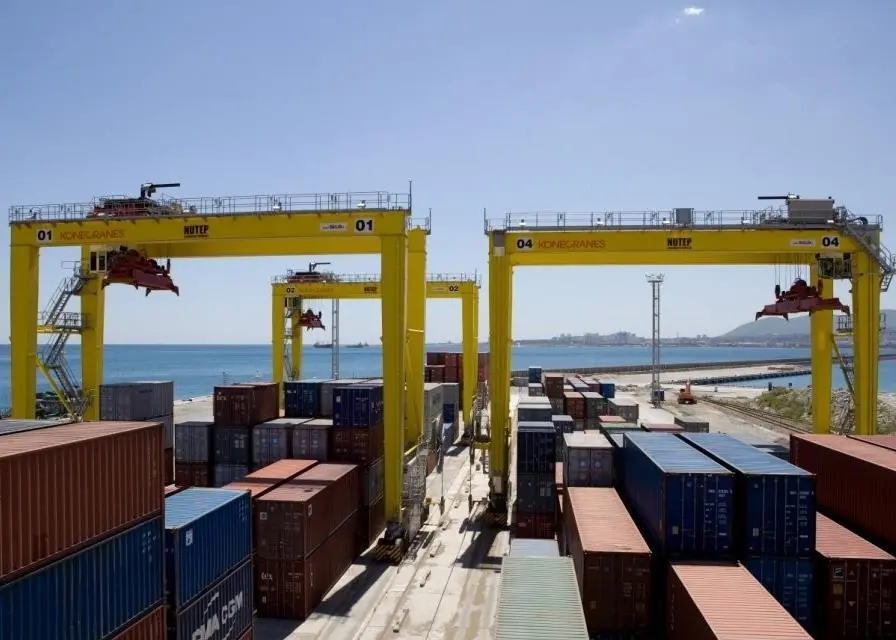
Port Integration will focus on transport chains as a whole, by combining best practice examples dedicated to maritime transport with those tackling issues of hinterland transport.
“Transport flows through and within Europe have increased dramatically in recent years, leading to imbalances in the usage of different transport modes,” said Michael Stange of the City of Hamburg, the project’s partner. “Coastlines and the open sea remain largely underused options but overland transport modes are heavily overloaded. An integrated transport chain is needed to correct these imbalances and ports are an essential part of this.
The three-year Port Integration project, which has 13 port and political partners from ten EU countries and Russia, has been set up to consider ways to make the most of sustainable maritime and hinterland transport structures.
Port Integration will focus on three key strands of transport operations. These are: EDI in maritime transport and port interfaces; hinterland transport, gateways and innovative logistical concepts and European ports and EU policies.
A working group focusing on each of these areas will be created and a programme of workshops, best practice visits and conferences will be set up.
Related Articles
 PORT & TERMINAL NEWS
 EXPANSION & DEVELOPMENT
 PORT & TERMINAL NEWS