![PortStrategy[GreenPort]](https://www.portstrategy.com/wp-content/uploads/2026/09/PortStrategyGreenPort.svg)






Undoing the ‘blue belt’
Felicity Landon considers the consequences of the European Union’s impending SECA amendments
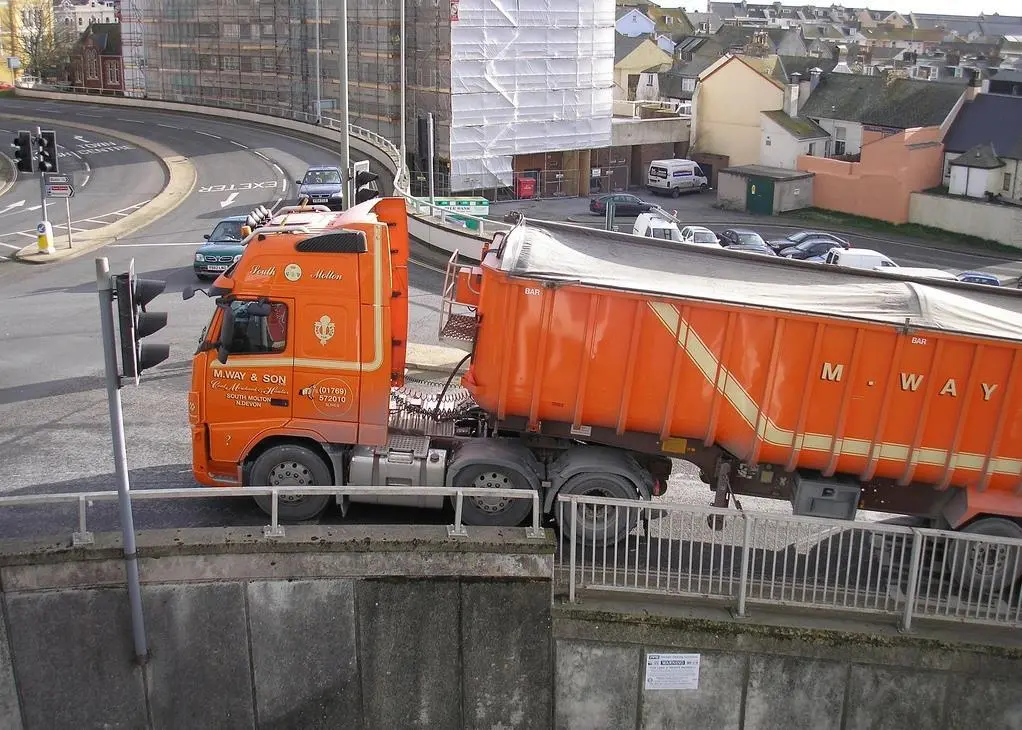
Alternative options need to be considered
The new low-sulphur rules are discriminatory because the new SECAs do not include the UK west coast and Irish Sea, says Charles Hammond, chief executive of Forth Ports.
So are ports such as Bristol and Liverpool likely to benefit? James Stangroom, business development manager at the Bristol Port Company, says: “We are aware that shipowners on certain lanes are looking at whether there is an opportunity – containers to an extent, but I would say it is more other branches of shipping.
“There’s a potential five-year window. We believe from 2020 the SECA regulations will encompass the Irish Sea as well. However, until then there is an opportunity for shipping lines to take advantage.”
Clearly, choosing Bristol for being outside the SECA doesn’t make sense for a deepsea ship that’s going to continue to the northern European ports inside the SECA areas anyway. But in the automotive sector, for example, there could be an opportunity to stop on the west coast UK and then feed back to the continent, says Mr Stangroom. Equally, bulk products from Ireland presently being shipped to ports on the UK south coast, for example, could be shipped into Liverpool or Bristol and trucked from there. Staying away from the SECA and its costs could widen the cost-effective ‘road mile arc’, he says.
Some cruise lines could replace round-UK trips with itineraries taking in the Irish Sea, Scottish west coast and perhaps Iceland instead.
However, one industry observer says: The benefits of being outside the new ECA are illusory, for containers at least. On the basis that any sizeable ship will also call at Rotterdam, the additional distance to call at Liverpool instead of, say, Felixstowe, is 550 miles or 1.5 days steaming. That’s a lot more expensive than the incremental cost of low-sulphur diesel for the 52-mile deviation by going to Rotterdam via Felixstowe.”
There may be some bulk cargo changes but it is likely to be at the margins, he believes. “Conventional wisdom is that bulk cargoes tend to be low value and cannot bear the cost of lengthy – and expensive – overland transport. Obviously, the more bulky and lower value the cargo, the nearer ships want to get to the point of origin/destination.”
Related Articles
 PORT & TERMINAL NEWS
 EXPANSION & DEVELOPMENT
 PORT & TERMINAL NEWS