





Piracy issues will hit ports
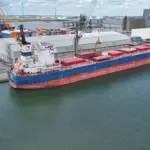
The growth of piracy has put pressure on ports to decide on their attitudes and policy.

Not least, explained Walter Verstrepen of Elegis, because there may very soon be a sea-change with more ships changing flag to allow armed personnel onboard, as a number of delegates on the recent Marseq Piracy conference heard.
However, the issue is fraught with difficulties, as there is no clear agreed mandate as to what actions to take (or not to take), from the individual port states or the navies involved in patrolling the piracy hotspot off Somalia around the Gulf of Aden and the Indian Ocean.
Mr Verstrepen was blunt about the effects of ports and the states behind them not providing the necessary clarity. “Pirates die at sea if they get wounded when repelled by vessels with armed guards onboard.” These vessels don’t usually stop, because they may well be illegally armed with reference to their flag, and are unlikely even to report the firing incident to MSCHOA.
Mr Verstrepen added, even if a vessel is willing to give assistance, “they often aren’t allowed into a port because the authorities are worried about what to do with the captives, and so the masters are sometimes reduced to disabling the pirate’s engines with a bullet and shoving the pirates off into deep sea to die.” The unspoken point is that it might be kinder to put the bullet into the pirate’s heads rather than let them die of hunger and thirst as they are almost bound to do.
The other side to this is what attitude a port will have to a growing number of armed personnel coming through to join up with a ship specifically for “guard duties”?
Mr Verstrepen pointed out that “transparency” would be far better than covert, or semi-covert arming operations, and for this the ports need to have clarity about exactly what is going on – and what they will allow. “Otherwise you have so-called ‘black’ or ‘grey’ operations, where personnel are joining up with a ship but trying to keep the nature of their business – and possibly the arms they may be using – oblique.
“This means that rather than get arms on to a ship they may try to smuggle them onboard another transiting craft, dumping them somewhere after the operation. All this would lead to some worrisome trends, and stop the best, more reputable organisations getting involved.”
Related Articles
 PORT & TERMINAL NEWS
 PORT & TERMINAL NEWS
 PORT & TERMINAL NEWS