



Corpus Christi dredging to move forward
The project to dredge the Corpus Christi Ship Channel — which has been waiting on promised federal funds for nearly 30 years — will progress to make the 2021 deadline after the commissioners for the US’ Port Corpus Christi voted to issue bonds of up to $400m for the venture.
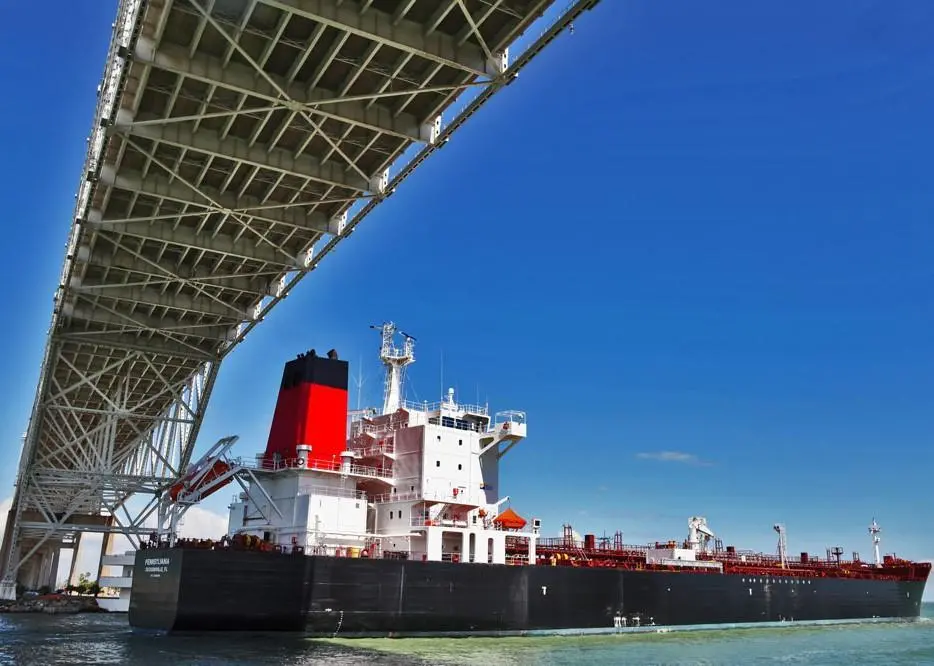
The cut-off date, which the new debt incurred by the Texas port allows the initiative to meet, coincides with the completion of the new Corpus Christi Harbor Bridge and the removal of the old link.
Commissioners voted in March to seek bids for a bond underwriter to handle the issuance of $200m to $400m for the dredging, though the port’s governing panel said it was a “fallback” measure only and still hopes that the US government will provide a portion of the funding.
A total of $13m for the venture was included in US President Donald Trump’s 2019 budget, though this needs to be approved by US Congress. To follow up, several port officials went to Washington, DC to lobby for additional funds.
The finance would also be used to construct new docks, terminals, railway and roads.
The project will boost the 36-mile channel’s width from 45 ft to 56 ft, with the channel also set to deepen.
Commenting on the commissioners’ decision, Port Commission chairman Charlie Zahn said: “This is a monumental step forward for Port Corpus Christi and for our willingness to do what we as a group have said for a long time is important to the future — not only of the port but to our region, the state and the nation.”
The dredging was first given the green light, though never financed, by Congress in 1990.
Following the Panama Canal’s expansion due to ships increasing in size and Congress’ removal of a 40-year-old prohibition on exporting oil to certain foreign countries, the need to handle larger vessels became even more vital.
Since the ban was eliminated in December 2015, Port Corpus Christi has become the US’ top crude oil products exporter, with the facility also now the country’s fourth-biggest port in terms of tonnage.
Related Articles
 PORT & TERMINAL NEWS
 PORT & TERMINAL NEWS
 OPERATIONS