





Countering the bargaining power of carriers
The port authorities of Seattle and Tacoma are joining forces to swap information in the face of increasing ship sizes and shipping alliances to help counter the bargaining power of carriers.
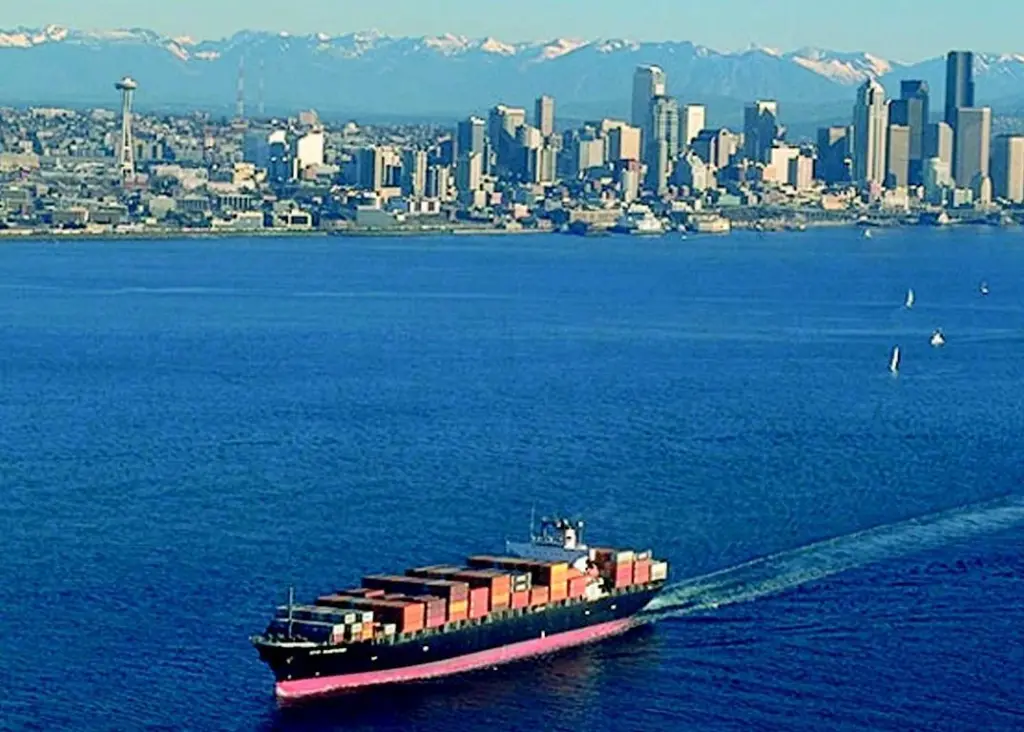
In this ground breaking move, they have applied to the US Federal Maritime Commission (FMC) for permission to share and discuss matters including rates of return, planning, utilisation and operating costs and charges.
They believe it will enable them to better handle the bargaining power of the major carriers which have traditionally own chosen their own terminals leading to the fragmentation of terminal capacity.
“The ports of Tacoma and Seattle want to gain a deeper understanding about how we are positioned in the marketplace,” Tara Mattina, Port of Tacoma, told Port Strategy.
“Consolidated terminals and fewer port calls are creating fierce global competition. Our intent through this agreement is to explore ways to increase our collective market share and generate more container cargo moving through the Puget Sound, the nation’s third-largest container gateway.”
A recent report by Drewry on the issue said that the move may help the situation in the short term but that in the more immediate term, the port authorities could improve competitiveness by seeking to coordinate berthing windows.
But for this to happen separate applications would need to be made by the port authorities along with their respective terminal operators. Bar this, the state of play could be changed with any merger of acquisition activity.
Something needs to be done because the two Puget Sound port volumes stand almost unchanged from ten years ago, meanwhile Canadian ports such as Vancouver and Prince Rupert have been steadily winning overall market share.
Drewry pointed out that to solve the problem long term a “consolidation of terminal ownership will most likely need to be part of the solution”.
But Ms Mattina told PS that a merger of the two ports or a change in governance would not be part of any discussions.
If the Federal Maritime Commission allows the discussions the application to move forward, talks could begin between the two port authorities in early March.
Related Articles
 PORT & TERMINAL NEWS
 PORT & TERMINAL NEWS
 OPERATIONS