




East Coast draught and capacity issues
Port Strategy has spoken alot lately about the struggles which US East Coast ports are experiencing in the rush to get upgrade works completed to cater for post-Panamax ships when the Panama Canal extension opens in 2015.
Last month PS reported that the strikes taking place over the third locks project in Panama might not be a bad thing for somes ports because they are behind with their works.
Then this week came the the news that Savannah, Jacksonville and Charleston missed out on federal funding which would enable them to progress with their expansion projects imminently.
But new research published in Drewry’s Container Insight Weekly suggests there could be an even greater challenge to US east coast ports than not getting draught work completed on time for the opening of the Panama Canal.
Actually the threat of not being able to handle larger ships could come alot sooner if the P3 and G6 shipping alliances come into force in the second quarter of 2014, because this will bring larger ships of 8,000 teu onto the Trans-Atlantic and Mediterranean shipping routes.
Neil Davidson from Drewry Maritime Research, explained to Port Strategy: “It’s a complex issue, there’s more than just one issue at play. Whilst the draught issue is important, the landside congestion is probably more important, the alliances stand to make this worse, because there will be greater peaks in traffic which some ports are ill equipped to handle already.”
He pointed out that this issue makes the draught side of things look easy. “With landside operations there are so many parties involved – port authorities, shippers, logistics companies, truckers, railroads. It’s a harder nut to crack.”
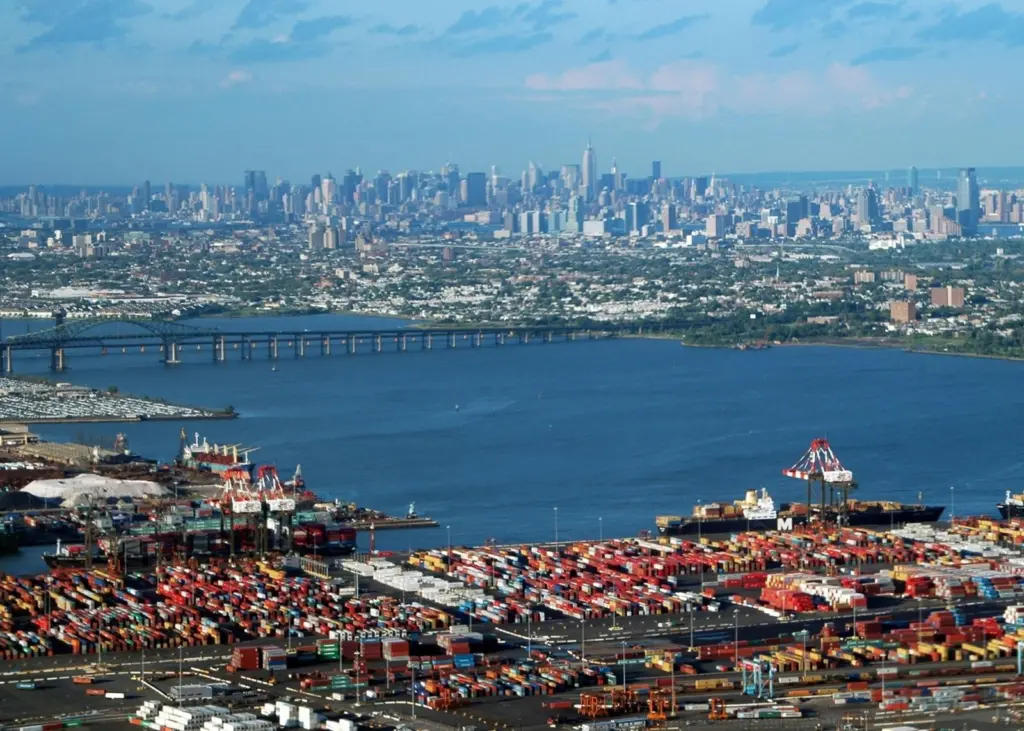
Part of the problem is how long these upgrade projects seem to take – The Port of New York and New Jersey (PANYNJ) has nearly completed its 50ft dredging programme but this work was authorised by the port authority back in 2001. The Port of Savannah’s project has been going for even longer – 15 years.
Bigger ships mean more pressure on landside operations – for example in Portsmouth and Norfolk in Virginia, truck, rail delays and congestion are already problems even without the larger ships calling. Bigger ships mean a larger concentration in fewer services, volumes that some ports are just not equipped to deal with – or have the time or money to address now.
“Luckily shippers are a pragmatic bunch,” Mr Davidson told PS. “There are other options. If these ports do end up being sized out by draught or capacity limitations shippers could consider using feeder vessels from the Caribbean which, in the interim, could solve both problems.”
He added that call rotations, tidal windows and the all important deepest draught first call inbound and last call outbound will all need careful considerations by the east coast ports – this is key to their future success.
Related Articles
 PORT & TERMINAL NEWS
 PORT & TERMINAL NEWS
 OPERATIONS