![PortStrategy[GreenPort]](https://www.portstrategy.com/wp-content/uploads/2026/09/PortStrategyGreenPort.svg)




Mobiles pledge to stay open, despite spill
The Port of Mobile has said that remaining open to commercial traffic even in the face of the Deepwater Horizon disaster is a necessity, given the economic trials caused by the oil spill.
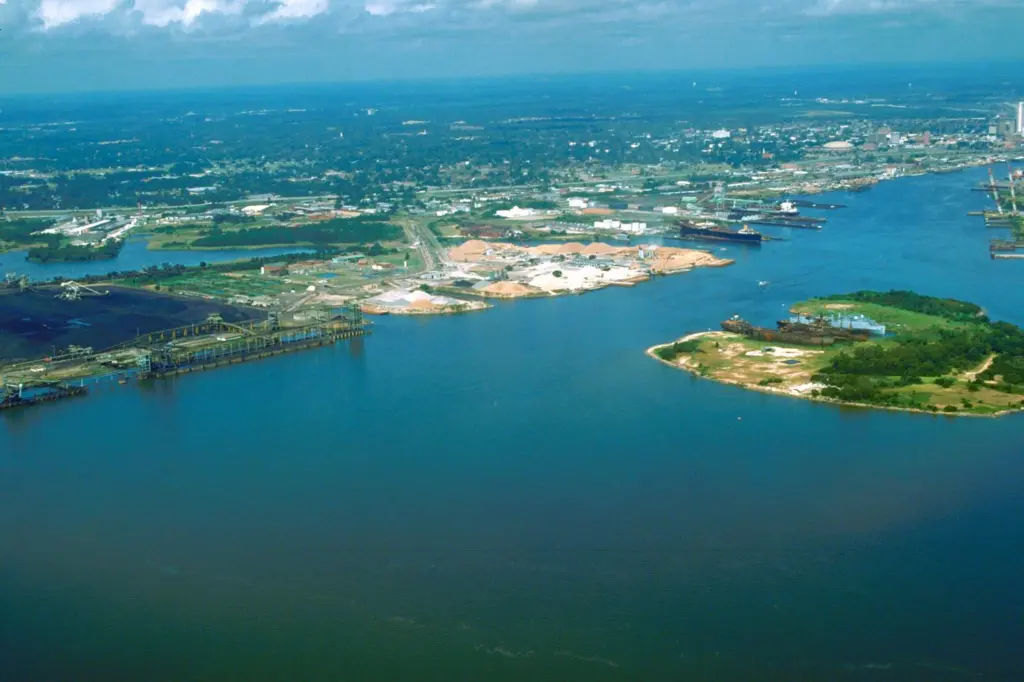
The Alabama port authority has contended its contingency plans are necessary to not only abate the unnecessary spread of oil, but to keep commerce flowing.
“Our shippers depend heavily on reliable supply chains to guarantee production and maintain jobs. In the aftermath of a devastating global recession and with economic uncertainty in our local fisheries and tourism industries, we just do not have the luxury of closing seaports. We’ve taken every precaution to ensure this does not happen,” said James Lyons, director and chief executive for the Alabama State Port Authority.
Commercial vessel traffic is continuing self inspection and reporting of any oil contamination on hulls, and the United States Coast Guard (USCG) Protocol Plan has established an offshore vessel decontamination site at the seaport’s anchorage while a pollution investigator is stationed onboard the decontamination vessel to validate compliance prior to port entry.
However, at present the impact directly on the port has been light. Currently, no oil is in the port although oil has landed in the eastern county coastal beaches and has moved into interior bays off Perdido Pass.
To date, only one ocean going vessel has needed decontamination inside the port, as most ocean going cargo is still able to skirt the heavy oil and the sheen or light oil is not adhering to the hulls, although other smaller spill response boats are undergoing decontamination at Dauphin Island and at Foley Cut, coastal stations some distance from the major shipping lanes.
Port of Mobile officials said they are remaining in close contact with state and federal response authorities as oil migrates eastward and impacts Alabama’s coastline. Alabama State Port Authority officials are working with the US Coast Guard, Environmental Protection Agency, the state’s environmental agency, and BP to make plans to handle vessel traffic in the event of heavier oil appearing at anchorages or the entrance to the federal channel.

Related Articles
 EXPANSION & DEVELOPMENT
 EXPANSION & DEVELOPMENT
 PORT & TERMINAL NEWS