![PortStrategy[GreenPort]](https://www.portstrategy.com/wp-content/uploads/2026/09/PortStrategyGreenPort.svg)






PMSA: Zero-emissions rethink needed
The president of the Pacific Merchant Shipping Association (PMSA) has said that the US ports of Los Angeles and Long Beach, plus Californian air quality regulatory agencies, need to rethink mandating zero-emissions targets for terminals and trucking companies.
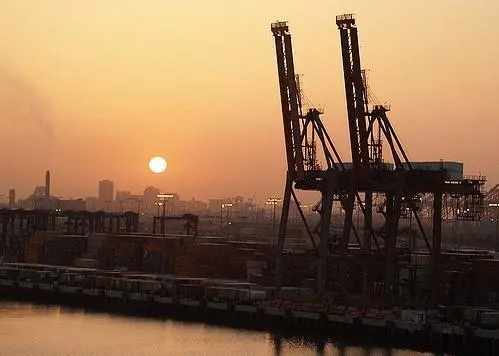
According to John McLaurin, ports and regulatory agencies need to collaborate with maritime industry operators to help finance new zero-emission cargo-handling trucks and equipment.
Mr McLaurin also called for the processing speed of environmental impact reports to be increased if zero-emission investments are to be completed on time.
According to the PMSA president, who addressed the Propeller Club of Northern California in Oakland in early February, the new Clean Air Action Plan for the ports of Los Angeles and Long Beach is designed to mean there are no terminal operation emissions by 2030, with the ports having already realised major decreases in diesel particulate matter.
However, the required upgrades to get to zero-emissions “could cost $14bn”, while “the technology does not exist”, he claimed, to put this objective into practice.
Possible slow progress
Mr McLaurin was concerned that the “glacial speed at which environmental impact reports in California get processed” might take years before terminals can even start constructing no-emission cargo handling operations.
Terminals “will need to be ripped up” to allow automated and zero-emission technology to be installed, he said, also commenting that increased costs and delays will undermine Californian marine terminal operators’ competitiveness and make some shipping lines relocate their business to US Atlantic and Gulf Coast ports.
The Port of Oakland, however, is on track to realise its lower emission targets and is dramatically decreasing emissions without the same possible disruptions that will happen through making the Los Angeles and Long Beach proposals reality, the president said.
Mr McLaurin also noted that new requirements for vessels arriving at Californian ports to use shore power, rather than their engines, will expose them to huge costs for retrofitting ships and put a heavy burden on some shipowners who might not be able to berth at Californian ports.
California regulators are mandating that all ships ─ including tankers, bulk carriers and container ships ─ arriving at Californian ports will need to switch their engines off and use shore power while in port.
Related Articles
 EXPANSION & DEVELOPMENT
 EXPANSION & DEVELOPMENT
 PORT & TERMINAL NEWS