




Ease of automation at Brisbane
The main drivers for automation are being ably demonstrated at Patrick’s automated straddle terminal in Brisbane, Australia, says the operator.
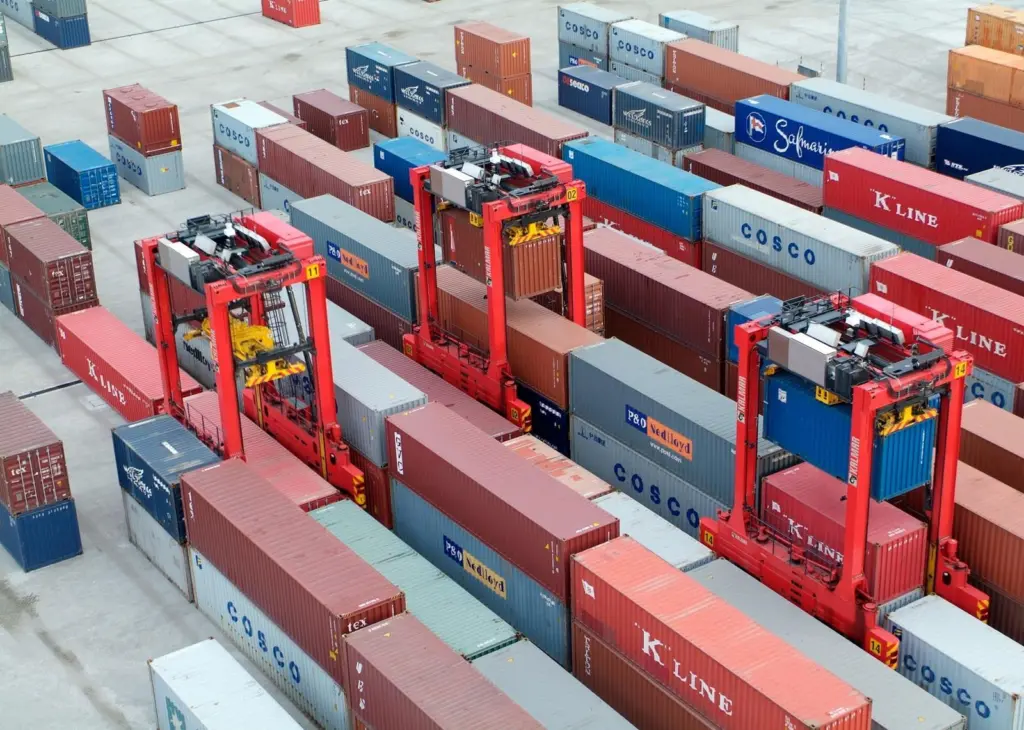
Kalmar’s AutoStrad automated straddle carrier technology has been in place at Fisherman’s Island since 2006 and there are currently 27 units in operation at the terminal. The three berth operation has a total throughput of around 500,000 teu per annum and the AutoStrad system, which interfaces directly with the TOS, handles all logistics at the terminal.
Matt Hollamby, terminal manager, Patrick Brisbane, said that the AutoStrad system has given the terminal much more productivity, imperative in today’s competitive market.
“Automation enables consistency of service and irons out the peak and troughs,” he said.
But the figures also do the talking. Patrick said that the AutoStrad system at Fisherman’s Island has enabled a labour cost per lift saving of AUS$30 to $40 per container compared to its non-automated straddle ports.
In addition, the AutoStrad system delivers gross average crane rates in excess of 30 moves per hour and maintenance savings are calculated to be more than AUS$500,000 over the lifetime of a machine.
But there have also been other benefits. There are less loss time injuries (a reduction of 90% from inception of the system), lower pollution rates (because of machine idling) and electricity savings, due to the fact that lights can be powered down because straddle carriers do not need to be able to see to work at night.
Patrick was very much behind the development of automation at Brisbane of course, it developed the technology and Kalmar made the machines to fit, which laid the foundations of a long standing partnership in automation.
This year 44 AutoStrad units are being installed at Patrick’s Port Botany facility. When the new automated terminal goes live early in 2015, the estimated savings for the terminal will be AUS$50m per annum – made up of both a reduction in lost time injury and administration costs.
Related Articles
 WORLD
WORLD
 PORT & TERMINAL NEWS
 PORT & TERMINAL NEWS