![PortStrategy[GreenPort]](https://www.portstrategy.com/wp-content/uploads/2026/09/PortStrategyGreenPort.svg)




Newcastle diversification defiance
The Port of Newcastle is making headway with its diversification strategy, despite a roadblock on its container terminal plans.
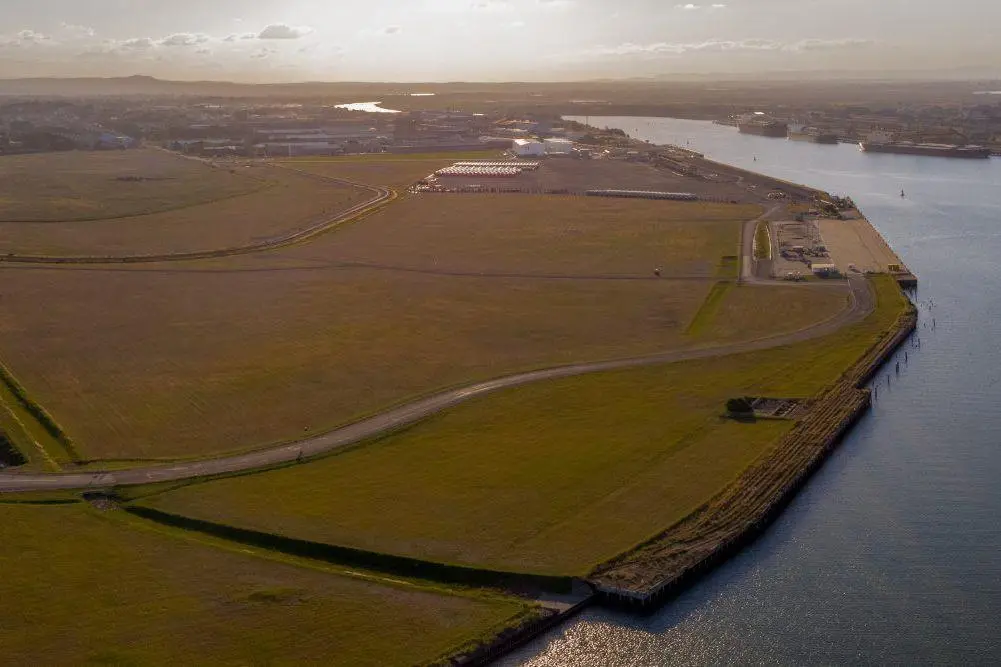
Following the funding announcement by Prime Minister Scott Morrison supporting the port’s green hydrogen hub feasibility study, the port is preparing to release two tenders to advance its Mayfield Precinct Multi-Purpose Cargo Handling Facility, an interim body of work to diversify the port in preparation for its contested multi-purpose deepwater container terminal plans.
“The release of these tenders for land and water side construction works again reinforces the Port’s commitment to future adaption and another milestone that will go down in the port’s history books as a key step-change in our diversification journey,” said Port of Newcastle CEO, Craig Carmody.
“The Port’s Mayfield Precinct is a 90-hectare parcel of extensively remediated port-side land and these tenders will give new life and purpose to the former BHP Steelworks site, supporting the creation of the Mayfield Precinct Multi-Purpose Cargo Handling Facility, and enabling the Port to diversify its trade and support the Hunter and NSW economy through improving existing supply chain efficiency.”
The tender works for the expansion of operations at Mayfield 4 Berth to Mayfield 6 Berth will support the port’s AUS$28.4m investment in two Liebherr Mobile Harbour Cranes which are currently being constructed in Germany and are due for arrival at Port of Newcastle in July 2022, to be used at the M4 berth and the Empty Container Park to be located behind the existing M4 hardstand.
Terminal build appeal
Carmody added: “Naturally, we would also like to be announcing the next stage in our game changing $2.4-billion Multi-purpose Deepwater Terminal project. Although we are not presently in that position, Port of Newcastle’s goals are unwavering. We remain of the view that an appeal is necessary as development of another container terminal in NSW, even whilst Port Botany still has capacity, would provide a viable alternative and more cost-effective export routes for regional NSW farmers and manufacturers. Such competition would increase regional NSW global competitiveness and allow these suppliers to avoid congested supply chains.
“As the world’s largest coal Port, we know that diversification is not an option for us, it is a must do, and as such, we are forging forward.”
Related Articles
 EQUIPMENT
 WORLD
WORLD
 PORT & TERMINAL NEWS