![PortStrategy[GreenPort]](https://www.portstrategy.com/wp-content/uploads/2026/09/PortStrategyGreenPort.svg)




POAL: “SYSTEMIC PROBLEMS”
A comprehensive review paves the way for a wide-ranging upgrade of safety arrangementsat Ports of Auckland. Iain MacIntyre reports
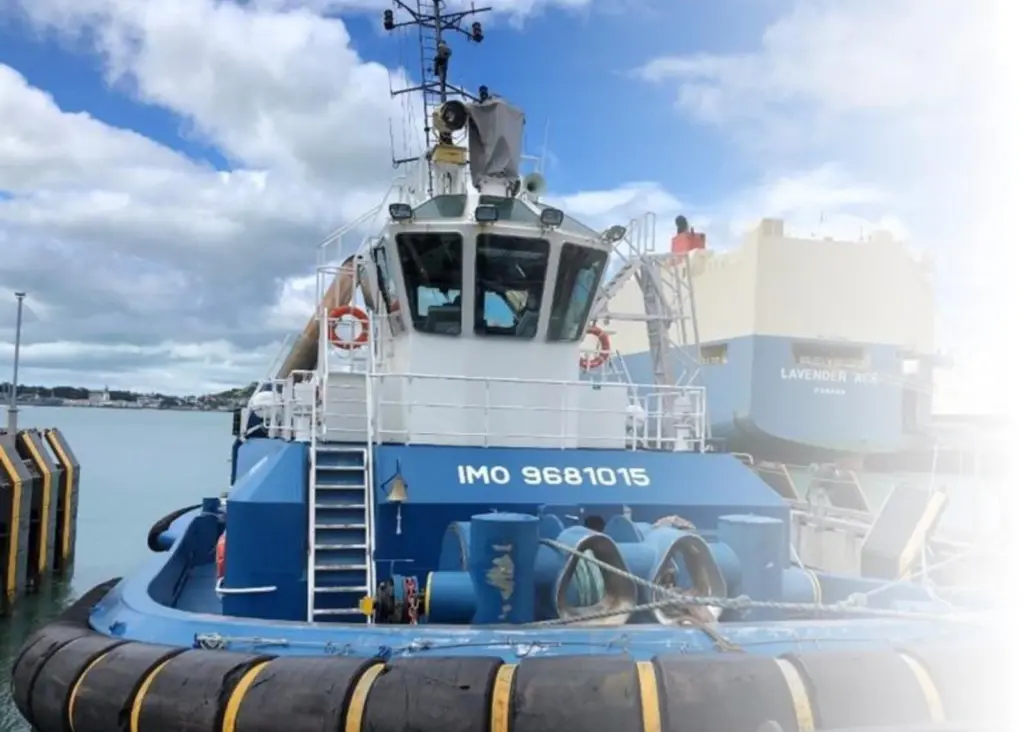
An independent review of health and safety at Ports of Auckland (POAL) has determined there are “systemic problems” at New Zealand’s major import port in relation to “critical health and safety risk management and organisational culture”.
Prepared by Construction Health and Safety New Zealand (CHASNZ) on behalf of POAL owner, Auckland Council, the 43-page report was commissioned after two fatalities at the port in recent years. The report delivered over 100 key findings and recommendations under the topics of:
- Governance
- Leadership
- Health and safety risk
- Overlapping duties
- Fatigue management
- Incident reporting and investigation
- Organisational culture and engagement
- Health and safety function
- Training
- Continuous improvement
Leadership featured as the most prominent subject within that list, attracting seven key findings and nine recommendations. Within “general observations”, the report praised the port’s management of fundamental business aspects relating to such areas as shipping movements and equipment maintenance. However, it stated that greater focus was needed where there was “reliance on the people element” – particularly in regard to higher-risk, operational areas.
“In reviewing the systemic management of critical health and safety risks, the reviewers found that there is scope for significant improvement to ensure that POAL operates a resilient and appropriately controlled environment reflective of the level of inherent risk in port operations,” states the report.
“In reviewing the current safety climate, as an aspect of the overarching culture at POAL the reviewers found that in high-risk areas of the port there were inconsistent views on how workers perceived the commitment to health and safety by senior management to that of what board, line and executive management felt was being demonstrated.”
MANAGEMENT/WORKFORCE CONFLICT
The report also highlighted an underlying management/ workforce conflict. “POAL do accept responsibility for their workplace culture and are working to improve it. The difficult relationship between Maritime Union of New Zealand (MUNZ) and POAL has, at times, hampered health and safety improvement. For health and safety to continue to improve at POAL, it is essential that all parties work collaboratively to support health and safety.”
Auckland mayor Phil Goff said his council would now require POAL management to provide regular reports on “changes made and progress in implementing the recommendations in the review”, which would also be released publicly.
“Health and safety rules that keep people safe are not ‘a nice to have’,” said the mayor. “They are a vital component of good management in any workplace. When someone goes to work, they should go back home to their families and loved ones. I have made it very clear to the chair of [POAL] that changes need to be made to the way [POAL runs] and it is my expectation that he and the board will hold management accountable for these changes. Council, in turn will hold the board accountable.
“The reviewers make a number of recommendations to improve health and safety … including new requirements for the port’s chief executive to prioritise safety over productivity and profitability, improve trust and communication between management and staff, and for a new health and safety manager to report directly to the chief executive and the board.”
POAL issued a six-page statement following the publication of the report, in which it specifically addressed points raised under each of the 10 findings and recommendations topics. “The CHASNZ report was commissioned to help POAL identify and address shortcomings in its health and safety environment,” it states.
“By its nature, the report has focused on the things that need improving, which can make it appear like a daunting challenge for the organisation. However, it is not. As the report notes, there are parts of the business which have managed safety well, which shows that we can do it across the entire business if we all work together and support each other to make change. We welcome the opportunity and direction that this report gives us, and we are determined to deliver the change that is needed.”
However, MUNZ, FIRST Union and other parties have demanded the resignation of Tony Gibson, Chief Executive, POAL as a key pathway to achieving change – highlighting the fact that he admitted in a recent press conference that he was unaware of the extent of the port’s health and safety issues.
On April 13, MUNZ members held a “stop-work meeting” at a local bowling club to discuss the findings of the report. “Workers at the meeting voted unanimously that they no longer had trust and confidence in the executive management and board of POAL,” it reported in a media release. “The union is also demanding that it has union officials represented on the health and safety, and fatigue risk management committees, and a union representative on the board.”
Related Articles
 EQUIPMENT
 WORLD
WORLD
 PORT & TERMINAL NEWS