




Ports impacted by drought – and locusts
Hit by both pests and drought, a sharp fall in Australian wheat production may well depress throughput in some of the country’s largest grain ports.
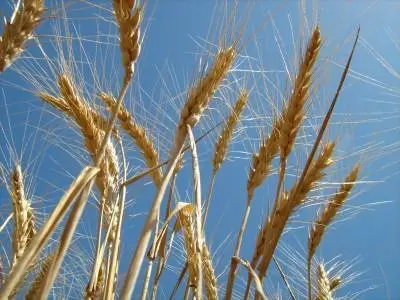
Forecasts for Western Australia’s wheat production have recently been lowered by a whopping 40% to 60% compared with 2009/10’s figures of 8.2mt due to dry conditions and locusts said Andrew Winkler of Commodore Research.
This brings estimated production down to between 3.2mt and 5mt, affecting the ports of Geraldton, Kwinana, Albany, and Esperance.
Out of these, Kwinana will probably be affected worst as wheat is three-quarters of the port’s total grain throughput. This year, the port is expected to export only 1.6mt tons of grain, a 65% drop from last year.
Geraldton exported 2.4mt of grain last year, and approximately 1.6mt of this amount was wheat. This upcoming year’s forecast for grain exports at the port is 1.4mt, resulting in approximately a 45% drop in wheat exports. Albany and Esperance are slightly less affected, but all the ports will likely see a significant drop in shipments.
Mr Winkler explained, “the threat of locusts is also still prevalent in several grain producing states, which leads us to continue to expect that Australian wheat output and exports will end up lower than many estimates”. This is despite the government’s slightly more hopeful predictions. “We expect Australian wheat production to total around 22mt and think exports will total approximately 15 to 16mt.”
He added that there will be some winners, as with wheat exports from the former Soviet Union already under great pressure due to wildfires earlier in the year, exports of wheat from the US Gulf are likely to see constant demand.
Related Articles
 WORLD
WORLD
 PORT & TERMINAL NEWS
 PORT & TERMINAL NEWS