![PortStrategy[GreenPort]](https://www.portstrategy.com/wp-content/uploads/2026/09/PortStrategyGreenPort.svg)



Can-do attitude essential to attract and keep business
Stolthaven, the terminal division of Stolt-Nielsen, can point to its expansion at the New Zealand port of Tauranga as an example of a customer working collaboratively with port management to achieve its goals
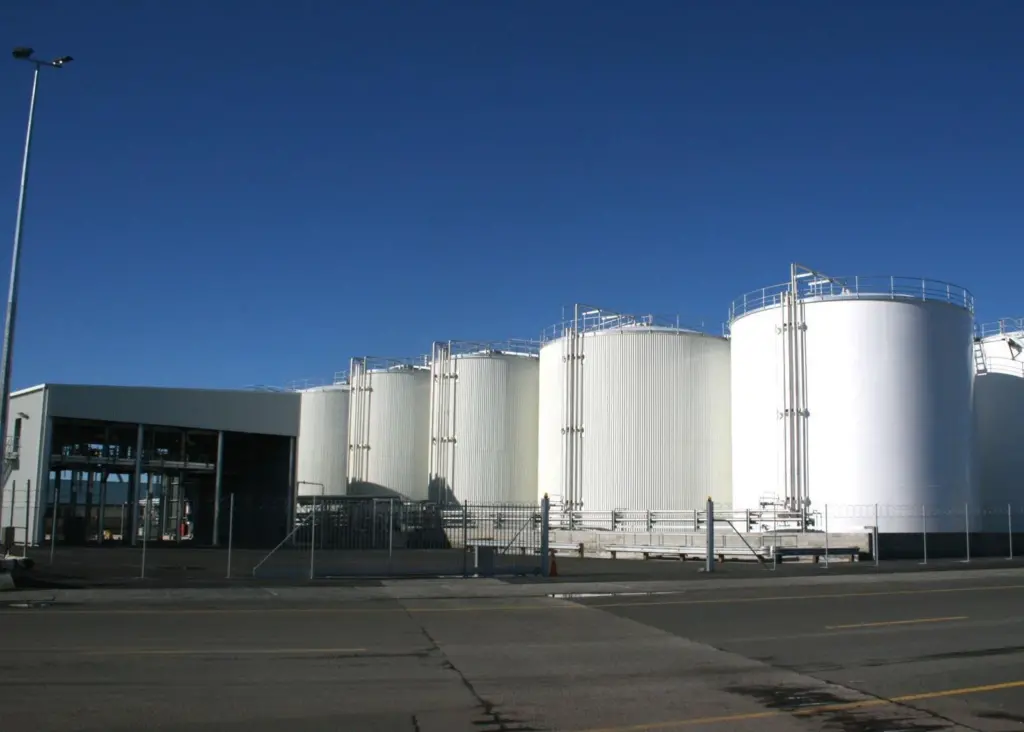
Stolthaven wanted to broaden and expand its business into “non hazardous” (tallow, edible oils and molasses) product storage which is based around the agricultural industry so the Port of Tauranga represented the geographically-optimal port in the North Island to maximise volumes through and from the hinterland of the central part of the island.
Graham Catley, managing director of Stolthaven Australasia Pty Ltd, says the critical component for the company’s terminal expansion was finding appropriate land, both zoning and area, as close to the bulk liquids berth as possible. Minimising pumping distances improves safety, environmental risk and operating efficiency.
He says the Port of Tauranga displayed a proactive management attitude. “They understand the importance of infrastructure and customers that not only improve the port’s economic performance but also improve the regional economic performance. They listened but more importantly made it their objective to understand the industry and Stolthaven’s business operations so that the best outcome for both parties could be achieved.”
Mr Catley says Stolthaven was given direct access to senior management. “Then the port went further by allocating key port people to our project team. It made the process of design and approval of the land usage and subsequent resource consent approval, smooth and efficient. “
Asked what Stolthaven’s long-term feelings were about staying at Tauranga and possibly expanding its base there, Mr Catley says the port is now a strong business base for the company.
“We are there for the long term with strong expansion plans. The port wants Stolthaven to be present and grow the business so there is constructive support to help achieve our goals.”
He adds that there appears to be little political intervention in the port’s business from its regional council ownership.
“If there is then the port management works this well so that the shareholders and port management are united in their own objectives. This provides confidence which is essential to our business, the nature of which is high levels of capital investment with long term time frames for return on that capital investment,” he says.
Related Articles
 PORT TALK
 PORT TALK
 PORT TALK