![PortStrategy[GreenPort]](https://www.portstrategy.com/wp-content/uploads/2026/09/PortStrategyGreenPort.svg)






Keeping chillers in check
TT Clubs Laurence Jones explains how ports can play their part in reducing global starvation
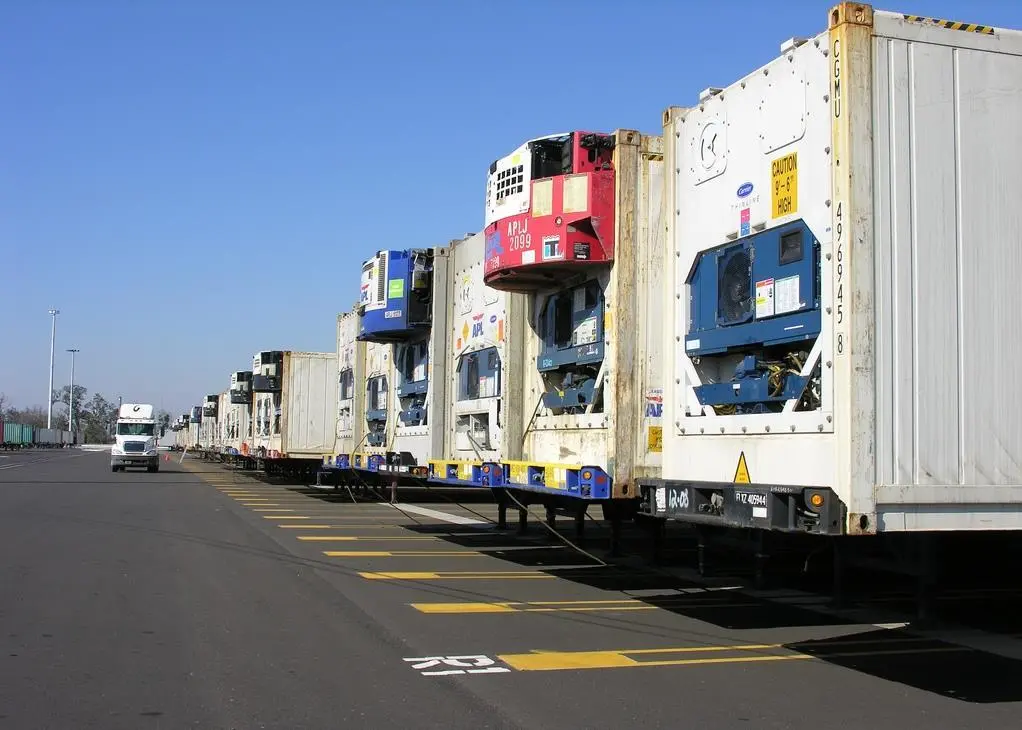
Reducing refrigerated cargo spoilage at container terminals could help reduce the number of people dying from starvation and also perhaps mitigate adverse climate change. These are bold claims, but they are lent validity by the amount of edible commodities that are shipped through the world’s ports.
In its 2013 report Food Wastage Footprint, the Food and Agriculture Organisation of the United Nations estimates that each year approximately one third of all food produced for human consumption in the world is lost or wasted. It calculates that such a volume of lost or wasted food would occupy around 1.4bn hectares of land.
In addition, most people now acknowledge that increases in greenhouse gases and the resultant changes in climate are exacerbated by human activities. For example, the practice of deforestation to increase available agricultural land and the environmental impact of CO2 and other noxious gas emissions resulting from the transport of goods to markets.
According to the United Nations, about 21,000 people die every day of hunger or hunger-related causes. This is one person every four seconds. Sadly, it is often children who are most vulnerable. Imagine, then, the environmental and humanitarian benefits we could achieve if we were able to eliminate or substantially reduce the one third food wastage.
Play your part
Of course, the port industry alone can’t do this, but we can play our part. The TT Club in its position as a provider of insurance and related risk management services to the port and terminal sector globally is in an informed position to provide observations on this effort. Data from the TT Club claims analysis indicates a persistent and growing incidence of claims for damage and loss of refrigerated cargo, which is to a great extent made up of perishable foodstuff. Cargo damage claims in relation to refrigerated goods are within the top ten claim cost areas across the TT Club’s membership.
The two main causes of deterioration of refrigerated cargo at terminals are interruption to the power supply – usually simply not plugged in – and incorrect setting of the required temperature.
The following is a list of suggested actions designed to reduce the incidence of spoilage of refrigerated cargo in containers at terminals:
- Double check all data related to the refrigerated container, including the required temperature settings in the documentation and the terminal operating system.
- Check whether temperature figures are in Celsius or Fahrenheit.
- Check whether the temperature figures are + or -.
- Use Electronic Data Interchange to communicate documentation and cargo instructions – this reduces the risk of data entry errors. If it transpires that the documented temperature setting is wrong, use of EDI means it will be the error of the shipper or shipping line, and not the terminal’s liability.
- If your terminal is involved in packing containers, ensure that your staff have the necessary training to pack it correctly. Besides securing cargo adequately, ensure suitable placement of the cargo to provide adequate circulation of air and the correct humidity control via fresh air ventilation settings.
- When the reefer arrives at the terminal ensure it is plugged in as quickly as possible. For imports it will have already been off power for some time before discharging from the ship. The same is true for an export load, as the unit may have been off power during its transport to the terminal.
- Also on arrival, check that the temperature setting is at the required level and ensure the refrigeration system is working correctly. Also check the temperature recording chart is functional.
- At terminals with manual reefer monitoring processes, make certain all reefers are checked for correct temperature, temperature setting and correct operation at least every 12 hours. Where the ambient temperature is very high or very low this frequency may need to be increased to every four hours.
- Refrigerated cargo that must be kept within a small tolerance of temperature range, depending on the ambient conditions, may also need to be monitored on a more frequent basis.
- Continuous remote monitoring of all reefer containers is recommended and there are various systems available to carry this out.
- During annual peak seasons for refrigerated cargo shipments, ensure plans are in place to provide sufficient power to supply the maximum number of reefers that may be handled. Often portable generators are required at short notice and a supply of these should be assured.
By following these recommendations, terminals can reduce refrigerated cargo spoilage, avoid customer angst and minimise insurance claims. More importantly, they can limit the damage to the environment and save people from starvation. Let’s do our bit to help.
Laurence Jones is director global risk at specialist insurer, TT Club.
Related Articles
 PORT TALK
 PORT TALK
 PORT TALK