![PortStrategy[GreenPort]](https://www.portstrategy.com/wp-content/uploads/2026/09/PortStrategyGreenPort.svg)




Putting safety first
Andrew Ryan asks whether operators take twistlock problems seriously enough
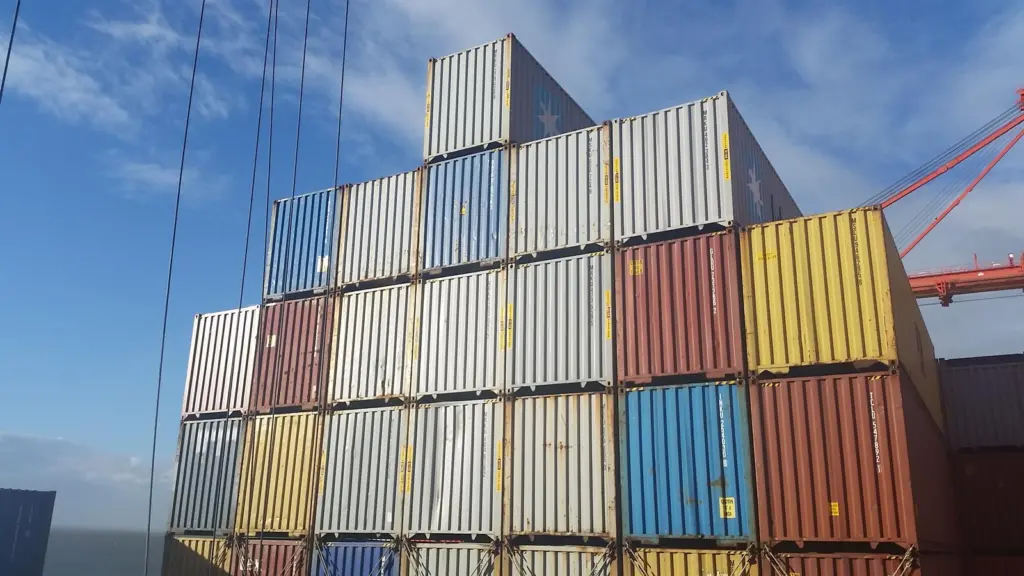
Stevedores spend their days in very unique workplaces; at every turn they are faced with a different working environment. Unlike most industries or offices, their workplace changes minute by minute, continually exposing them to high risk situations that could be fatal if not managed correctly.
Deck foremen and assisting labour are regularly exposed to potentially fatal situations, especially when dealing with single or multiple snagged twistlocks or loads that can only be resolved through human intervention. Crane operators are put under pressure to maintain perfect control while these personnel are working in these high risk situations. If a failed twistlock releases while there is stored energy in the lift, an uncontrolled 50 tonne ‘missile’ will bear down on personnel. This happens too many times for comfort and in many incidents results in a fatality.
Due to the nature of some common port labour structures, it can be difficult to give workers the high standard of training that is required to mitigate the risks encountered in their workplace. Workers may not return to a particular site for a considerable time and their level of safety awareness may be lower than necessary.
On occasions, the training for contracted employees may be just enough to get the job done. Compare that to a site that has engaged highly experienced permanent employees with many years’ exposure and knowledge of the vessels that they encounter on a regular basis.
There is also an added risk factor when staff are elevated to high risk positions after just a short time in the industry. When in these positions for a prolonged period, employees may also become complacent to the risks. To mitigate some of these risks, a handful of shipping lines have moved to fully automatic twistlocks. Others have opted for semi-automatic twistlocks. But with these changes come new risks.
Stevedores loading and discharging containers with fully automatic twistlocks have reported a number of issues. One problem concerns ‘jamming’ with the lower tier, leading to the lower tier to be accidentally lifted and then dropped from underneath the intended discharge container back onto the other deck stows or onto walkways and railings. Aside from the obvious safety risks, this leads to a loss in productivity, damage to more than one container and the ship, lost revenue, down time, damaged cargo and insurance claims.
Twistlock troubles
Other commonly encountered compromises with twistlocks include damage, incorrect fitting, lack of release mechanism, jamming due to damaged corner castings and incorrect application. These issues are usually dealt with on the deck of the ship, where the deck foreman handles both the risk and resolves the problem. That foreman and the workers involved face high risk safety concerns when dealing with these exceptions, which can have a major impact on stress and workplace moral.
These issues aren’t new and are simply just accepted as part of the job. All too often there is a ‘keep moving as the ship must sail’ approach; when the next ship arrives the cycle continues without any real or lasting resolutions to the problem.
Terminals need to look at the handling procedures and the tools put in place to deal with these twistlock issues. As such, the deck foreman and lashing safety should be at the forefront of terminal safety and the operations agenda.
Once the workforce is experienced and educated in managing these risks, the port or terminal can enjoy the fruits of improved safety outcomes and operational efficiencies. Operators should look carefully at the quality of training that is applied around the high risk issues that they face in their operations and ask: is the training relevant; does it assist in managing risks; and has the desired outcome actually been achieved?
Management needs to be tuned into the level of exposure, the nature of the risks and the frequency that they occur. Questions for management include: are these risks in the ‘too hard basket’; and does complacency exist?
Shipping lines – small, medium or large – are not exempt from these issues. All that varies are the degree of frequency and the type of risks faced; stevedores all face and deal with these risks.
Andrew Ryan is a crane operator, safety facilitator and work place trainer and assessor in ports. He is the winner of the 2014 National Safety Council of Australia ‘Ian Chisholm Award’ and the Asciano National Safety award. Andrew can be contacted on +64= (0) 402146376 or on theryankey@bigpond.com.
Related Articles
 PORT TALK
 PORT TALK
 PORT TALK