![PortStrategy[GreenPort]](https://www.portstrategy.com/wp-content/uploads/2026/09/PortStrategyGreenPort.svg)



Barcelona moves to limit cruise activity
The Port of Barcelona is to reorganise cruise operations to improve sustainability, marking a decisive shift in how the city manages maritime tourism.
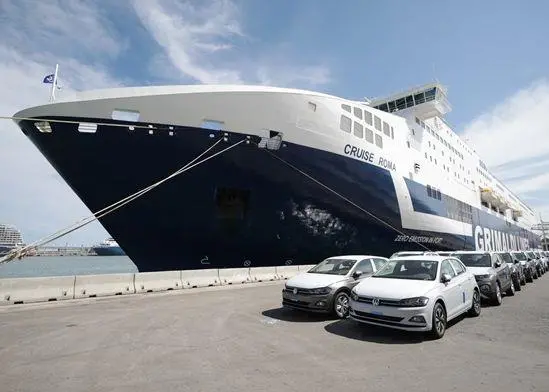
The new plan developed by Barcelona City Council and the port will reduce the number of cruise terminals at the Port of Barcelona from seven to five.
Terminals A, B and C will be demolished, with a new state-of-the-art public terminal built on the site of Terminal C. This new terminal will serve up to 7,000 passengers, prioritising smaller vessels and home port operations.
“For the first time in history, a limit is being placed on the growth of cruises in the city,” said Mayor Jaume Collboni. “The current management of tourism involves setting limits and managing better.”
José Alberto Carbonell, president of the Port of Barcelona, described the move as the culmination of the port’s modernisation plan. “This new phase includes the demolition of three old terminals, the construction of a new terminal and major investments in mobility and sustainability infrastructure,” he said.
The agreement includes a €185 million public-private investment to overhaul 610 metres of the Adossat wharf and install onshore power supply systems to reduce ship emissions.
Further sustainable mobility projects include doubling the Porta d’Europa bridge and creating an urban transport corridor along the Montjuïc coastline.
With cruise passenger numbers having grown 20% since 2018, city officials say the new agreement reflects a growing consensus that maritime tourism must be planned more responsibly. The comprehensive project is scheduled to be completed by 2030.
Related Articles
 EXPANSION & DEVELOPMENT
 CONTAINER & CARGO HANDLING
 PORT & TERMINAL NEWS