![PortStrategy[GreenPort]](https://www.portstrategy.com/wp-content/uploads/2026/09/PortStrategyGreenPort.svg)

COSCO seeks to expand Hamburg footprint
China’s COSCO is strengthening its foothold in northern Europe after tabling a bid to acquire an 80% stake in Hamburg-based stevedore and logistics operator Konrad Zippel.
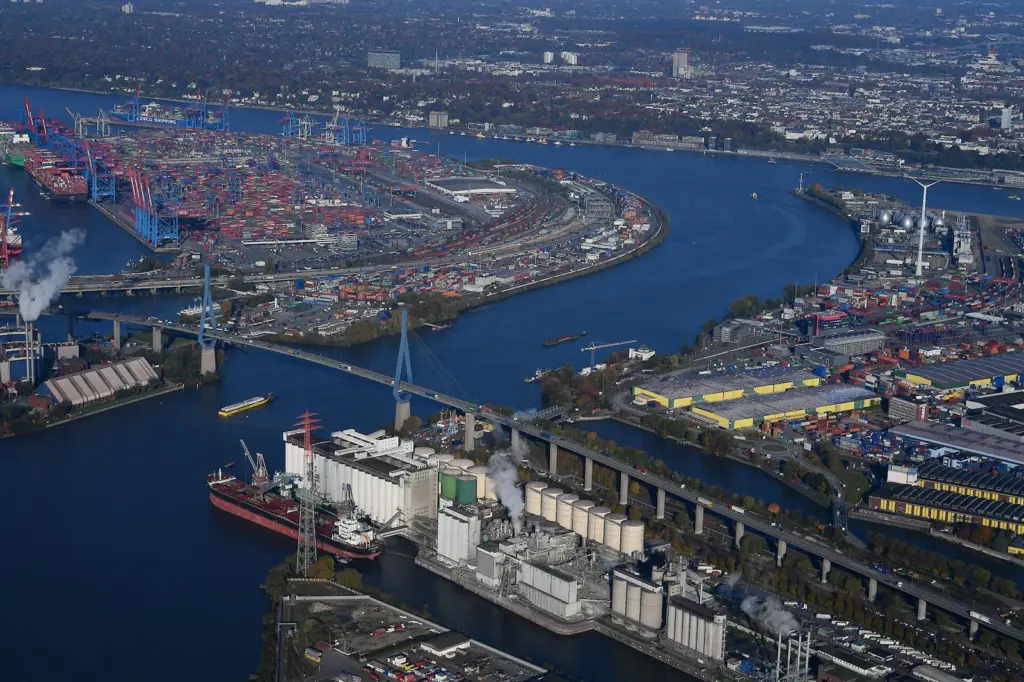
The transaction has been filed with Germany’s Federal Cartel Office and would see COSCO take a majority shareholding in the long-established company, founded in 1876. Zippel operates around 200 trucks and provides multipurpose cargo handling as well as container transport by road, rail and inland waterway, playing a key role in the Port of Hamburg’s wider logistics ecosystem.
For COSCO, the acquisition would deliver enhanced local handling capacity and greater flexibility across combined sea–inland transport flows. The group already has a substantial presence in Hamburg through its joint venture at the HHLA/COSCO Container Terminal (CCT) in Altenwerder, minority stakes in Terminal Hamburg Süd, and extensive strategic relationships across the port cluster. Its intra-European subsidiary, Diamond Line, is also headquartered in the city.
Konrad Zippel employs around 350 people and is an important link between maritime and inland transport networks serving northern Germany and beyond. Managing partner Axel Plaß will retain a 20% stake in the company and continue as managing director, while his business partner Axel Kröger is set to step down.
However, the transaction is expected to face close political and regulatory scrutiny. The acquisition follows COSCO’s earlier, controversial entry into the Port of Hamburg through a minority stake in the HHLA Container Terminal Tollerort, which triggered debate in Germany over foreign influence in critical infrastructure.
German authorities are likely to apply strict competition and foreign investment controls, with EU institutions also expected to monitor the case. The deal highlights ongoing tensions between openness to foreign investment and concerns over strategic assets, supply chain resilience and national security within Europe’s port and logistics sectors.
Related Articles
 EXPANSION & DEVELOPMENT
 CONTAINER & CARGO HANDLING
 PORT & TERMINAL NEWS