![PortStrategy[GreenPort]](https://www.portstrategy.com/wp-content/uploads/2026/09/PortStrategyGreenPort.svg)


DP World plans Tartous expansion
DP World is planning to transform Syria’s Port of Tartous into a major regional trade and logistics hub under a US$800 million long-term redevelopment programme designed to modernise infrastructure, expand cargo capacity and strengthen regional connectivity.
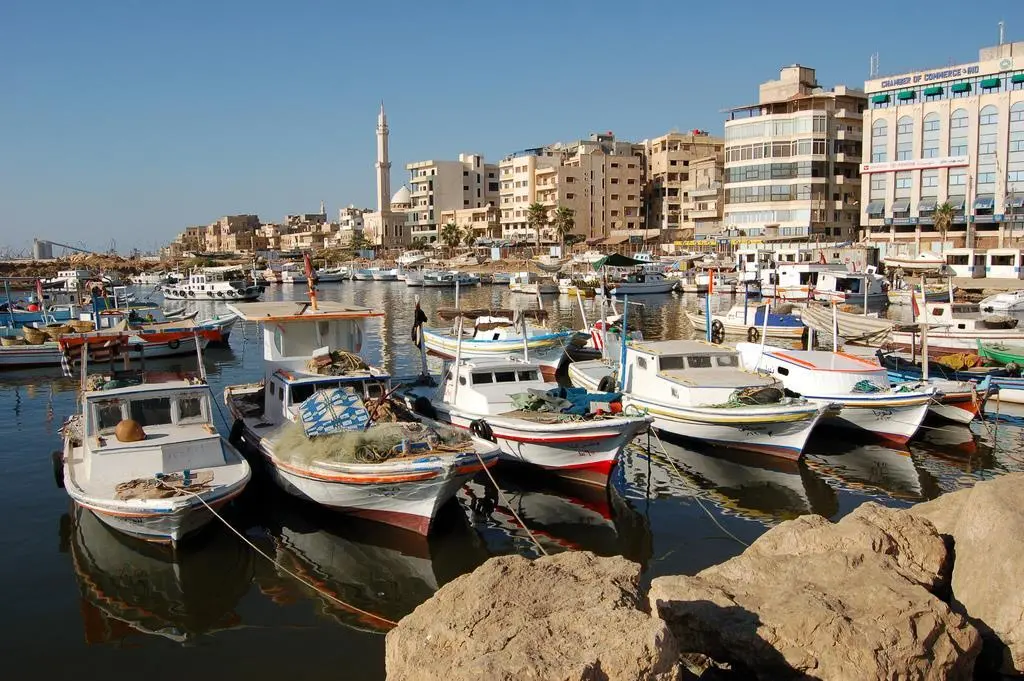
The project forms part of a 30-year concession agreement signed with the Syrian government in July 2025 and is expected to play a significant role in supporting Syria’s economic recovery and rebuilding its maritime sector.
“The Port of Tartous redevelopment is seen as a strategic step to restoring key trade corridors and stimulating economic activity,” said Essa Kazim, chair of DP World.
“Modernisation of port operations is expected to improve efficiency, facilitate trade flows and support Syria’s reconstruction efforts.”
Located on Syria’s Mediterranean coast, Tartous is the country’s second-largest port and occupies a strategic position linking southern Europe, the Middle East and North Africa.
DP World plans to introduce advanced cargo-handling systems, digital technologies and upgraded port infrastructure to improve operational efficiency and increase throughput across container, breakbulk, general cargo and RoRo operations.
The company is also exploring the development of logistics zones, inland freight hubs and transit corridors aimed at integrating Tartous more closely into regional and global supply chains.
DP World believes the redevelopment will help positi on Tartous as a strategic maritime gateway capable of handling anticipated growth in regional trade volumes while supporting wider economic development initiatives across Syria.
“The Port of Tartous development marks a defining moment in Syria’s journey of economic recovery and modernisation of its trade infrastructure,” said Rizwan Soomar, chief executive and managing director for Subcontinent, Central Asia, Levant and Egypt at DP World.
“Our partnership presents a significant opportunity to reshape the future of trade in Syria and the wider region, while rebuilding a logistics ecosystem that supports the country’s economic growth.”
Related Articles
 EXPANSION & DEVELOPMENT
 CONTAINER & CARGO HANDLING
 PORT & TERMINAL NEWS