![PortStrategy[GreenPort]](https://www.portstrategy.com/wp-content/uploads/2026/09/PortStrategyGreenPort.svg)

EU ports and rail urge cooperation
Europe’s ports and rail sector have called for stronger policy support, simplified regulation and greater investment to improve the performance of port–rail logistics chains across the continent.
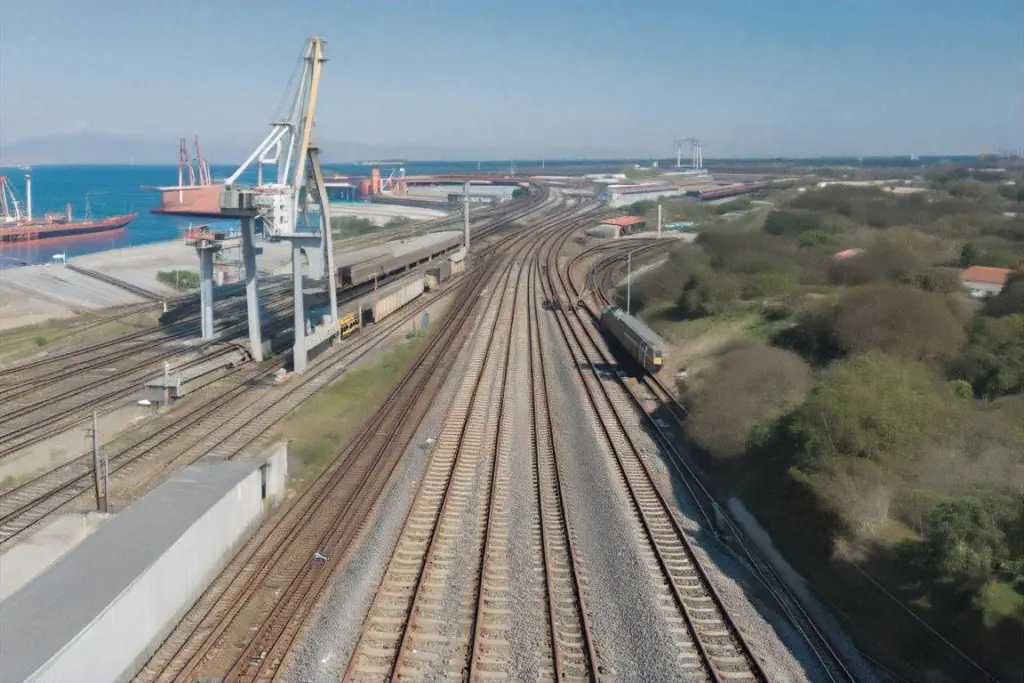
In a joint position paper, the Community of European Railway and Infrastructure Companies (CER) and the European Sea Ports Organisation (ESPO) outlined shared priorities aimed at strengthening the connection between railways and ports and improving hinterland transport efficiency.
Ports and railways form two central pillars of Europe’s transport system, linking the continent to global trade while supporting industry, territorial cohesion and the EU’s internal market. Against a backdrop of geopolitical tensions, supply chain disruption and climate targets, the organisations say better coordination between the two sectors is becoming increasingly important.
Among their key recommendations is the simplification of rail regulations in port environments. CER and ESPO argue that rules designed for national rail networks do not always reflect the operational realities within ports, where freight traffic, lower speeds and extensive shunting activities are common.
“A strong and well-functioning port–rail interface is essential for Europe’s competitiveness, resilience and green transition,” said Alberto Mazzola, executive director of CER.
“By simplifying operations and regulation, as well as investing and increasing capacity, we can unlock rail’s full potential in port hinterland transport, increase rail’s market share and enhance the performance of Europe’s logistics chains.”
Collaboration
The organisations also highlight the importance of closer collaboration between port authorities, infrastructure managers, rail freight operators and terminal companies to tackle operational bottlenecks. Greater digitalisation and improved data sharing are seen as key tools to enhance reliability and predictability in freight movements.
Investment will also be critical. CER and ESPO emphasise the role of EU funding programmes such as the Trans-European Transport Network (TEN-T) and the Connecting Europe Facility (CEF), calling for a reinforced CEF budget of at least €100 billion in the next EU multiannual financial framework to address infrastructure gaps and strengthen port–rail links.
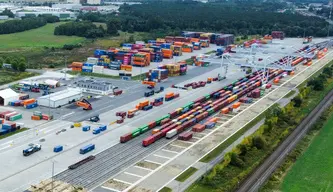
Real-world examples already demonstrate the potential benefits of stronger rail integration. At the Port of Hamburg, rail accounts for more than 30% of container hinterland transport, making it one of Europe’s leading rail-connected ports. Similarly, high levels of rail usage at the Port of Bremerhaven show how coordinated planning between terminals and rail operators can move large volumes of cargo inland efficiently.
READ MORE: Barcelona rail masterplan approved
“Europe needs strong and well-connected ports and port–rail links to strengthen resilience and competitiveness,” said Isabelle Ryckbost, secretary general of ESPO.
“The operational reality and challenges within the port and on the port–rail network differ significantly from those of the national rail network, so reviewing and simplifying the legislative framework where possible is essential.”
Related Articles
 EXPANSION & DEVELOPMENT
 CONTAINER & CARGO HANDLING
 PORT & TERMINAL NEWS