![PortStrategy[GreenPort]](https://www.portstrategy.com/wp-content/uploads/2026/09/PortStrategyGreenPort.svg)





Germany moves towards digital container release
Germany is accelerating its journey towards port digitalisation with its new container release system designed to enhance port security and modernise port logistics.
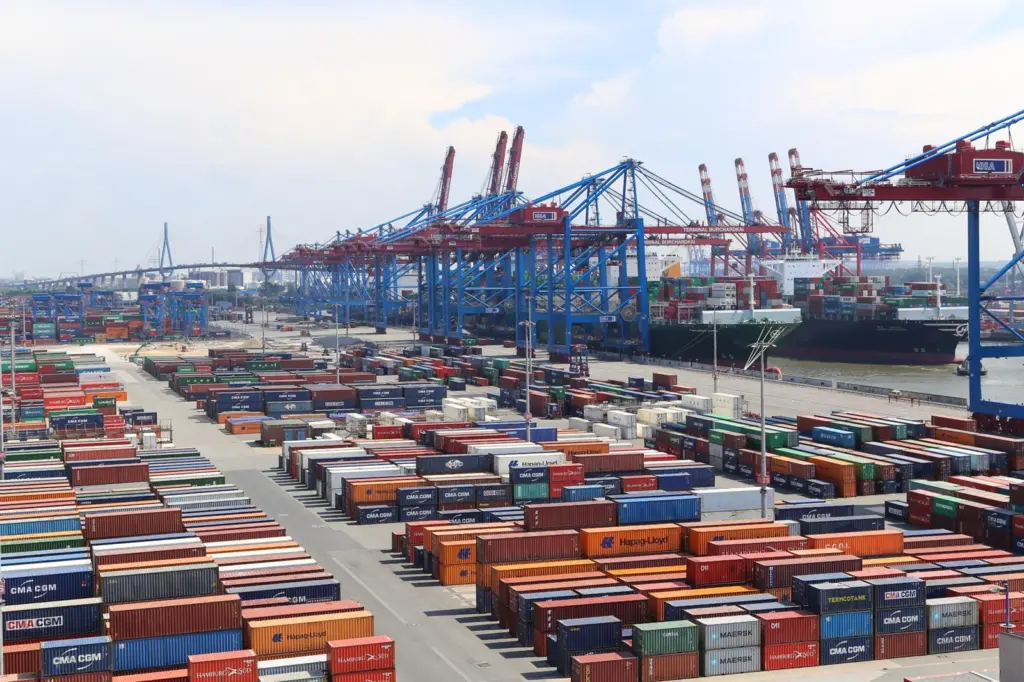
Registration opened this week for the digital release process for container imports at Hamburg, Bremerhaven and Wilhelmshaven seaports. The new system is aimed at strengthening port security by replacing the outdated PIN-based method with a secure digital authorisation process.
“Freight forwarders and transport companies should allow sufficient time to complete their technical connections and to try out the new processes during the test phase, which will be starting soon,” said Sven Reimers, project manager at DAKOSY.
Digital transition
This digital transition is designed to significantly reduce the risk of drug smuggling and enhance transparency in port logistics.
The new system only allows a container to be released from one authorised party to the next using a “digital authorisation”.
This ensures that from the time the maritime container arrives at the quayside until it is picked up by the transport company, it is possible to trace who is authorised to the disposition of the container at any time.
The project is a joint initiative by dbh Logistics IT and DAKOSY, in close collaboration with the port community and operated via the German Ports platform.
An important requirement is that companies ensure that their internal processes are set up to use the new release process which will become mandatory from 1 October 2025.
Companies can integrate the new system through their existing PCS platforms – DAKOSY’s IMP or dbh’s BIT- or directly via the German Ports web interface.
Interested businesses are encouraged to register now at germanports.com and join the next informational webinar on 24 April to prepare for the coming changes in port operations.
Related Articles
 EXPANSION & DEVELOPMENT
 CONTAINER & CARGO HANDLING
 PORT & TERMINAL NEWS