![PortStrategy[GreenPort]](https://www.portstrategy.com/wp-content/uploads/2026/09/PortStrategyGreenPort.svg)


Grangemouth marks 60 years with ambitious plans
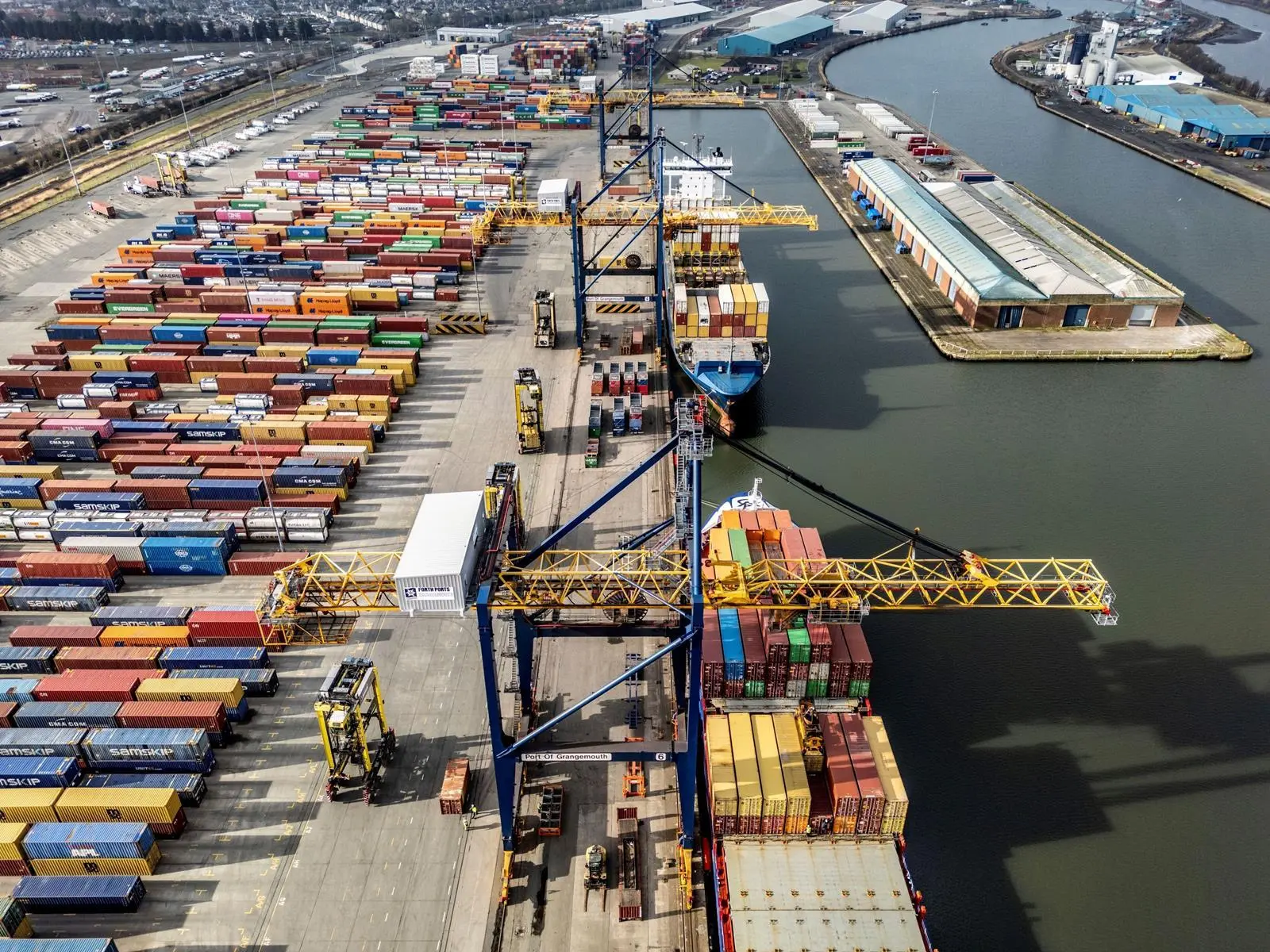
Forth Ports is progressing a new £8 million investment programme at the Port of Grangemouth as the Scottish logistics hub prepares for future growth in cargo handling, infrastructure modernisation and community engagement.
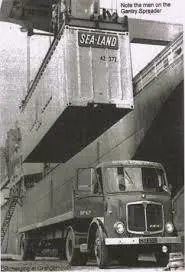
The investment programme coincides with the 60th anniversary of the first container vessel calling at Grangemouth, marking the beginning of containerised shipping operations in the UK. On 7 May 1966, the Sea-Land freight service called at the port as part of a transatlantic route linking the US and Europe, helping establish Grangemouth as a key gateway for Scottish exports.
“Over the past 60 years the port has changed and adapted to meet the changing needs of our customers and markets through investment in not only our infrastructure and equipment, but in our skills,” said Derek Knox, regional director, Scotland.
“Grangemouth has grown to become Scotland’s largest container port and logistics hub and makes a major contribution to the economy of Scotland. We look forward to continuing to play our part in Scotland’s success for the next 60 years.”
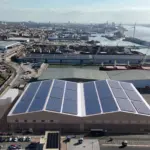
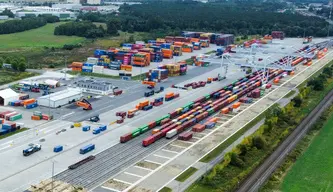
The latest investment will focus on upgrading port infrastructure and equipment at Scotland’s largest container port, which now handles more than £6 billion worth of goods annually across sectors including food and drink, construction products and renewable energy.
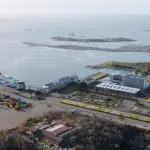
Grangemouth continues to expand its role as a multimodal logistics centre and export hub for Scottish goods destined for international markets. The port spans 402 acres (163 ha), employs 280 people and supports 32 businesses operating within the port estate.
Alongside infrastructure improvements, the port is planning a public open day and educational initiatives with local schools, including a project inviting young people to help name a new harbour crane.
Craig Torrance, asset manager for the port, added: “Grangemouth has changed significantly over the past 60 years from the size of vessels, a move to more sustainable handling equipment, health & safety priorities and people skills.”
Related Articles
 EXPANSION & DEVELOPMENT
 CONTAINER & CARGO HANDLING
 PORT & TERMINAL NEWS