![PortStrategy[GreenPort]](https://www.portstrategy.com/wp-content/uploads/2026/09/PortStrategyGreenPort.svg)




Ports need refuge response plans
Ports must adopt a structured and risk-led approach when dealing with ships in distress, according to TT Club, which has warned against treating requests for refuge as simple accept-or-reject decisions.
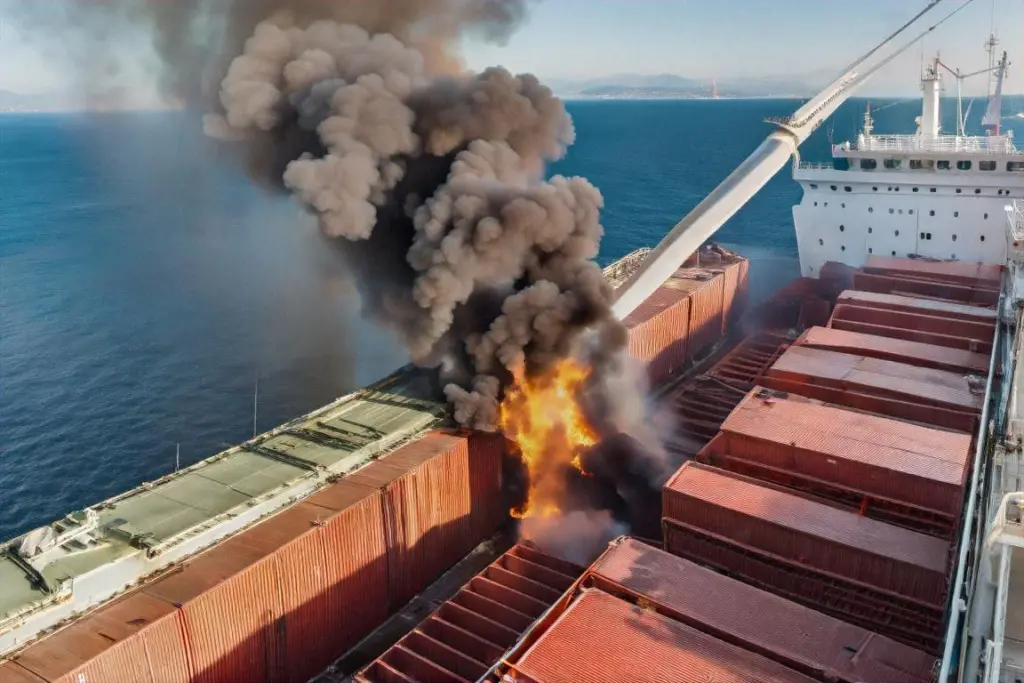
The insurer says incidents involving fire, structural damage or unstable cargo often place port authorities under intense pressure. However, automatically refusing entry to a casualty vessel can increase risks by leaving hazards offshore in less controlled environments. Instead, decision-makers should focus on identifying where risks can be managed most effectively.
TT Club argues that the concept of a place of refuge extends beyond bringing a vessel directly alongside a berth.
Alternative solutions can include sheltered waters, designated anchorages or managed offshore positions, depending on the nature of the emergency and the resources available.
“Places of refuge are rare, high-stakes events that demand decisive leadership,” said Harry Palmer, risk assessment manager at TT Club.
The insurer highlights a range of operational challenges that ports must consider when evaluating refuge requests. Emergency situations can last for weeks or even months, affecting berth availability and disrupting commercial operations. In many cases, landside storage capacity becomes a more significant constraint than available quay space, particularly when damaged cargo, waste materials and quarantine zones are required.
Cargo-related hazards also present significant risks. Materials that are normally considered low-risk can become unstable or dangerous when exposed to heat or water, requiring specialist handling procedures and enhanced safety measures.
Onboard fires remain among the most complex incidents for ports to manage. Bringing a vessel with an active fire into a populated port environment can expose local infrastructure, personnel and nearby communities to heat, smoke and toxic emissions.
“It is important to engage early with local fire and rescue services to rehearse access, water supply and air monitoring before an incident occurs,” Palmer said.
TT Club concludes that successful responses depend on preparedness, including established decision-making frameworks, pre-identified refuge options and regular emergency exercises.
Related Articles
 EXPANSION & DEVELOPMENT
 CONTAINER & CARGO HANDLING
 PORT & TERMINAL NEWS