




Canada works hard to detect pollution
A total of CAD$47.6m of new funding has been put aside to increase the number of flights to monitor and detect pollution from ships in Canada’s waters.
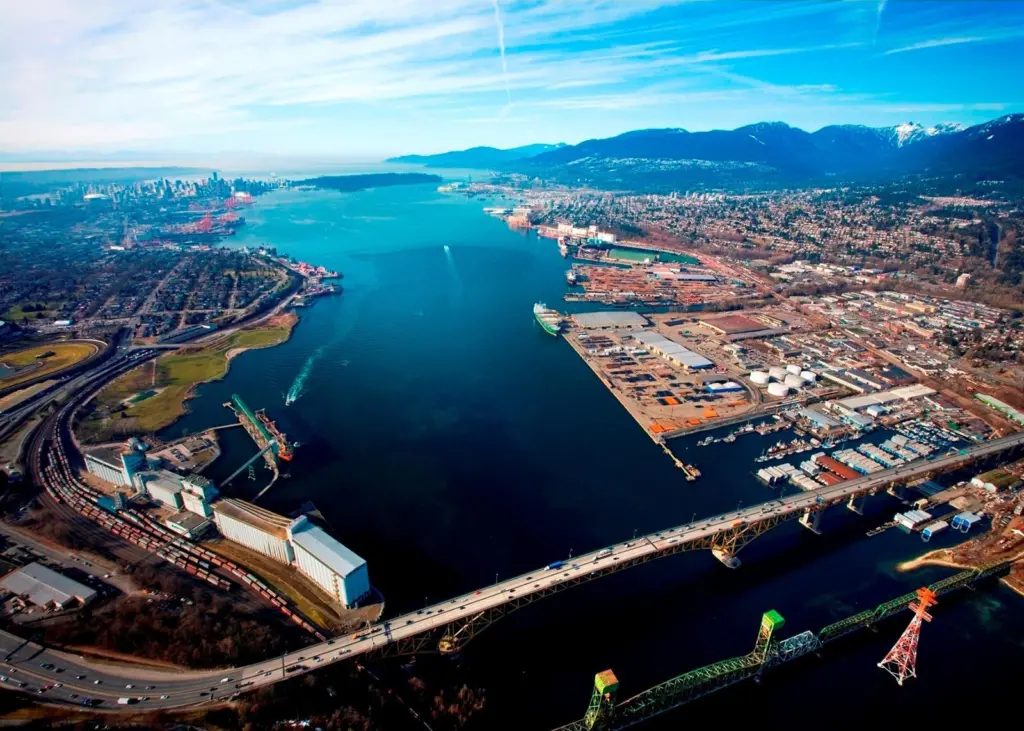
The National Aerial Surveillance Programme (NASP) is a key part of the Government of Canada’s Pollution Prevention Programme and is the government’s primary tool for detecting ship-source pollution.
“Our government has zero tolerance towards polluting Canada’s marine environment. That is why we have doubled the funding for surveillance and monitoring of ships to detect pollution in Canada’s waters,” said Lisa Raitt, Minister of Transport.
“Tanker traffic has increased, and through our government’s plan for Responsible Resource Development, we are ensuring the safe and reliable transport of energy resources through out waterways,” she added.
Now, surveillance hours flown will increase from 2,080 to 3,750 hours. On the West Coast, for the next three years, surveillance hours will be increased from 500 to 700 hours, and then to 1,200 hours in 2016/17 and beyond.
Aerials surveillance of tankers in the Strait of Juan de Fuca and Vancouver Harbour has already increased, as well as surveillance in Prince Rupert and Kitimat.
Since its inception in 1991, there has been a significant decline in the number of spills observed. The surveillance fleet consists of three modernised aircraft which are placed around the country. Evidence gathered and satellite monitoring reports are sent to the appropriate government departments and international partners to investigate and enforce domestic and international laws and conventions.
Related Articles
 EQUIPMENT
 ALTERNATIVE FUELS GREENPORT