






MAN reports slow steaming research
MAN Diesel & Turbo has undertaken a survey of its customers in the container, bulk and tanker industries to determine attitudes towards slow steaming – particularly with regards to fuel savings and emissions.
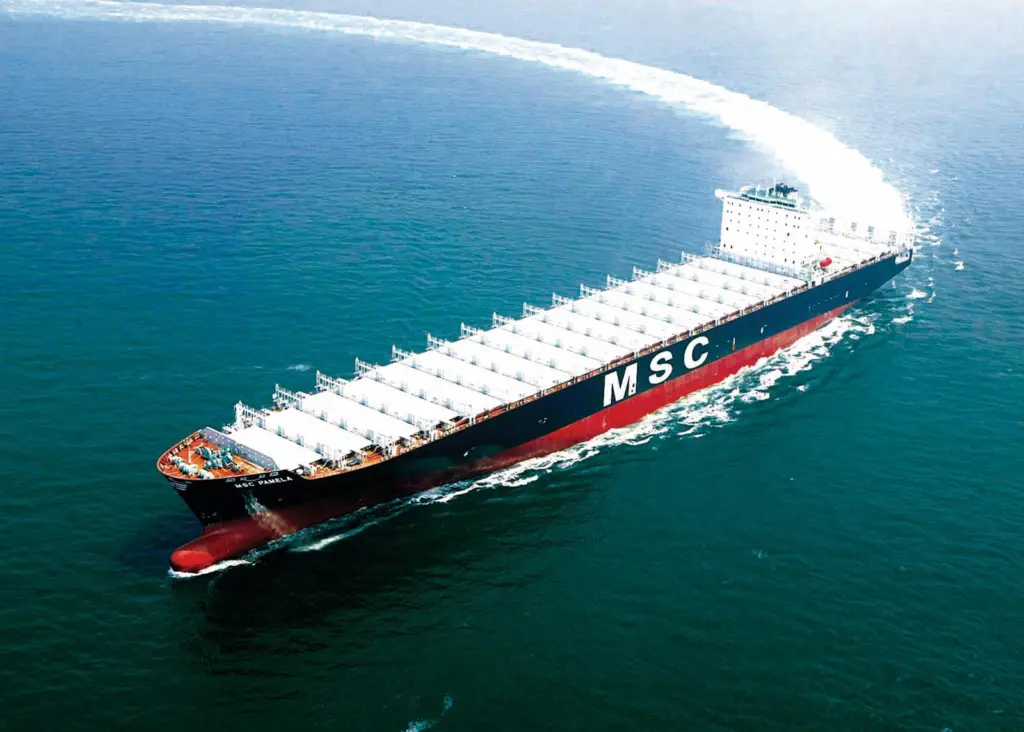
The web-based survey was based on multiple-choice questions. Of some 200 respondents, 149 had implemented slow steaming. Thirty eight of these had carried out propulsion machinery modifications to better accommodate a slow steaming regime.
According to MAN, the results of the survey indicated a clear distinction between those who had undertaken retrofit, such as engine derating, slide fuel valves, turbocharger cut-out, or propeller upgrade, and those who had not. Both groups, however, agreed that the main reason for slow steaming was saving fuel.
However, MAN points out the fuel savings make a huge impact on emissions directly, making slow steaming a major contributor to compliance with environmental regulations. The research showed that half as many respondents who saw fuel savings as the main reason for adopting slow steaming also cited emissions. “Fleets are doing a lot to limit emissions, but the connection here is most likely that of lower emissions being a natural consequence of slow steaming”, the report said.
Nearly four out of five of those who have implemented engine retrofits believe that these make a substantial contribution to compliance with environmental regulations, according to the report.
Those that had implemented engine modifications reported that the gains in fuel economy were also significantly greater than anticipated. Interestingly, from a commercial viewpoint, most shipping companies said their customers reacted positively to slow steaming, and in many cases it had little effect on rates.
The full report is available from MAN Diesel & Turbo’s PrimeServ division.
Related Articles
 EQUIPMENT
 ALTERNATIVE FUELS GREENPORT