![PortStrategy[GreenPort]](https://www.portstrategy.com/wp-content/uploads/2026/09/PortStrategyGreenPort.svg)


Global port data framework agreed
A coalition of leading maritime organisations has unveiled a new global framework to standardise port call data, marking a significant step toward safer, more efficient and sustainable shipping operations.
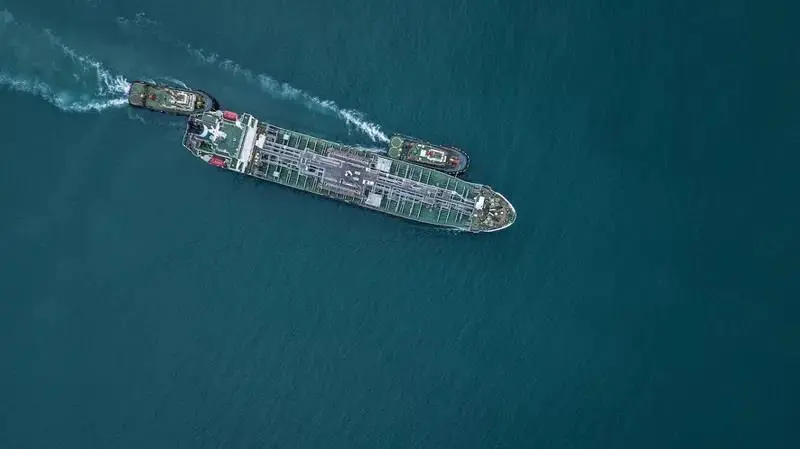
The initiative, developed jointly by the International Association of Ports and Harbors and the International Harbour Masters Association, introduces the Port Call Optimization (PCO) Guide, setting out a structured approach for ports and shipping stakeholders to exchange high-quality nautical and operational data electronically.
“The publication of the Port Call Optimization Guide marks a significant, shared step toward safer, more efficient and predictable berth to berth navigation,” said IAPH managing director, Patrick Verhoeven.
“This guide is the result of long-term industry collaboration, which should translate long-standing IMO safety ambitions into practical steps inside ports.”
The move aims to address longstanding fragmentation in port call data, which has historically led to inefficiencies, delays at berth and increased emissions. By aligning with established standards from the IMO, as well as ISO and IHO frameworks, the guide provides a common foundation for global adoption. It has also been endorsed by major industry bodies including BIMCO and International Chamber of Shipping.
The framework defines a minimum dataset required for effective port call coordination and is intended for use by harbour masters, terminal operators, nautical service providers, policymakers and technology providers. It is designed to improve supply chain efficiency by reducing waiting times and enabling more accurate planning of port arrivals and departures.
The guide has already been tested in real-world operations, including a landmark pilot data exchange between the Maritime Port Authority of Singapore and the Port of Rotterdam, demonstrating its applicability across different shipping segments.
Further momentum is expected as submissions to the IMO Facilitation Committee seek to formalise guidelines on port nautical information, building on the framework.
Related Articles
 TERMINAL OPERATIONS
 DIGITAL
 DIGITAL