![PortStrategy[GreenPort]](https://www.portstrategy.com/wp-content/uploads/2026/09/PortStrategyGreenPort.svg)






Optimisation software for Rotterdam
The Port of Rotterdam is set to benefit from optimisation software as part of its Container Exchange Route (CER) project.
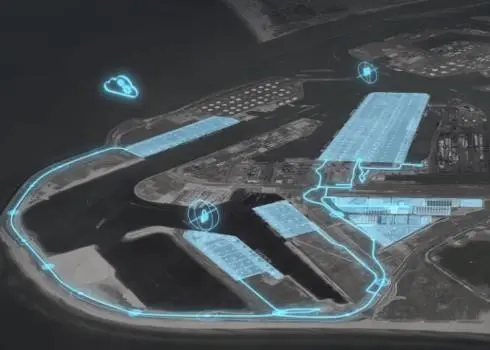
INFORM will deliver the Capacity and Planning Platform (CAPP), which is comprised of a plug-in set of optimisation modules for the project’s front-end user interface – the CER Platform – developed by the Port of Rotterdam. It will combine INFORM’s Syncrotess optimisers leveraging AI and optimisation techniques.
“Optimisation algorithms are crucial to the success of CAPP and therefor for the CER Project; due to the high number of parameters to be considered, it is not realistic for a staff member to manually plan the CER movements on the back of a cigar box,” commented Emile van Rijn, project manager capacity & planning CER at the Port of Rotterdam.
The Container Exchange Route comprises dedicated infrastructure, logistics agreements, and IT systems that link all parties. Measurable benefits are expected to be the shorter turnaround time of deep-sea vessels, additional flexibility, and additional capacity to attract new cargo.
The CER bundles container flows meaning that trains, barges, and feeders will no longer need to call all terminals individually and that transhipment containers are exchanged reliably and efficiently. Participating terminals include: Hutchinson’s ECT-Delta, ECT-Euromax, APMT Rotterdam, Rotterdam World Gateway and APMT MVII as well as Dutch Customs, Distripark, empty depots, and the barge feeder terminals on the Maasvlakte.
CAPP receives data from the CER Platform, analyses it, and sends back optimised proposals for execution. The analyses includes: whether a new order is feasible given current workload and constraints, a journey plan for containers, the generation of schedules, and a schedule of jobs for the automated road trucks to transport containers to their destinations.

Related Articles
 TERMINAL OPERATIONS
 DIGITAL
 DIGITAL