![PortStrategy[GreenPort]](https://www.portstrategy.com/wp-content/uploads/2026/09/PortStrategyGreenPort.svg)


PortXchange urges smarter port calls
With northern European ports facing their worst congestion of 2025, PortXchange is urging the maritime industry to adopt real-time port call optimisation technologies to reduce emissions and supply chain disruptions.
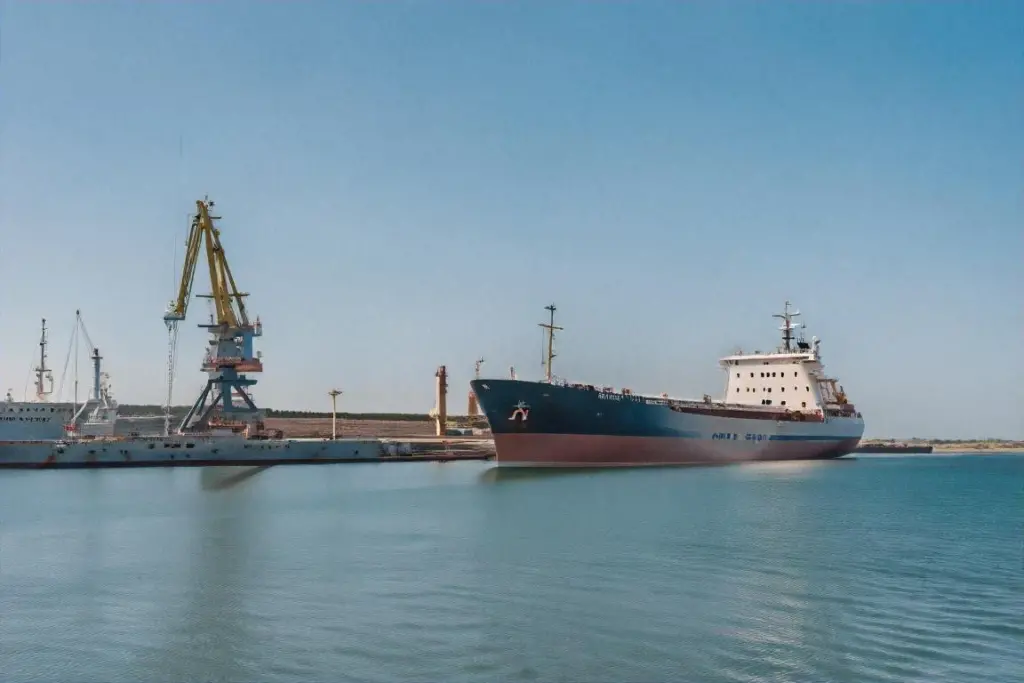
According to Drewry’s latest Container Capacity Insight, average berth waiting times have surged across major hubs. Antwerp jumped 37% to 44 hours, Hamburg increased to 50 hours and Bremerhaven saw a 77% rise. Labour shortages, strike actions and low Rhine water levels restricting barge traffic have further strained port operations.
“These numbers aren’t just a signal – they’re a siren,” said Sjoerd de Jager, chief executive of PortXchange. “Port delays are now a carbon problem, a cost driver and a major threat to global trade continuity.”
PortXchange’s Synchronizer platform enables just-in-time arrivals by coordinating vessel schedules with berth availability, reducing anchorage time, emissions and fuel burn. Complementing this, EmissionInsider provides a real-time emissions overview across sea, barge, rail and road transport.
“As we saw in the Port of Rotterdam, combining berth synchronisation with emissions transparency enables smarter planning and environmental strategy,” de Jager added.
Port congestion is also contributing to soaring shipping costs, with Transpacific spot rates up 27% and more surcharges expected from 1 June. De Jager warns the industry’s reliance on static ETA forecasts and siloed systems is outdated.
“We need a systemic shift to dynamic, data-driven decision-making in logistics,” he said. “The technology is here. What’s needed now is data and adoption.”
The Global Maritime Forum echoes this call, advocating for operational efficiency to ease the fuel transition and reduce emissions – a triple win of environmental, economic and operational benefits. Government support and financial investment will be crucial to scaling these solutions industry-wide, says PortXchange.
Related Articles
 TERMINAL OPERATIONS
 DIGITAL
 DIGITAL