![PortStrategy[GreenPort]](https://www.portstrategy.com/wp-content/uploads/2026/09/PortStrategyGreenPort.svg)





Webfleet enhances Bristol port safety
Webfleet has developed a bespoke driver safety and fleet management system for The Bristol Port Company aimed at preventing unauthorised use of high-risk plant equipment while supporting the port’s wider decarbonisation strategy.
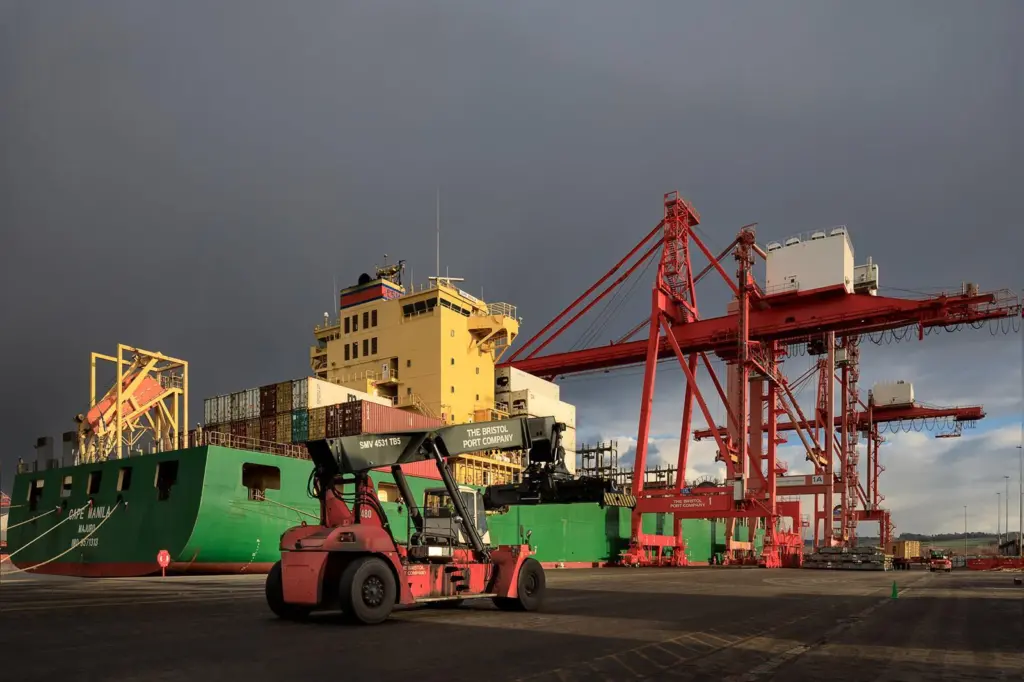
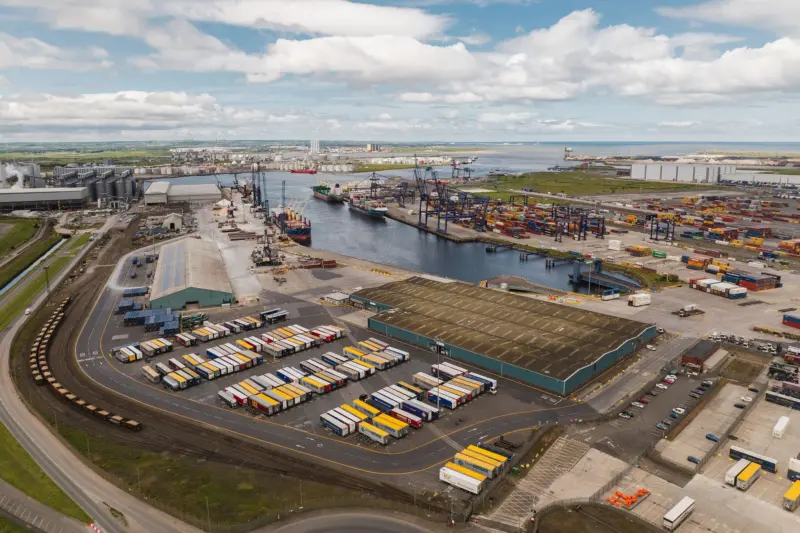
The Bristol Port Company, one of the UK’s largest deep-sea multimodal transport hubs, handles around 12 million tonnes of cargo annually across its 2,600-acre (1,052 ha) estate. Its fleet includes more than 200 vehicles and heavy plant assets, ranging from container stackers and excavators to Class 5 forklifts.
“The Webfleet team has been highly proactive in tailoring its driver ID platform to the demands of a complex port environment, with hundreds of dockers, plant operators and subcontractors on site daily,” said Bailee Harrison, engineering coordinator at The Bristol Port Company.
“Any unlicensed vehicle use could expose us to serious risk of uninsured liability.”
Webfleet has introduced a customised driver identification platform that verifies whether operators hold valid authorisation and the correct specialist licence before vehicles can be started. If either requirement is not met, the equipment remains immobilised.
The system also records denied access attempts, allowing the company to identify potential training gaps and improve workforce competency management.
Alongside safety improvements, Webfleet’s OptiDrive 360 driver behaviour monitoring system has helped improve fuel efficiency during pilot trials, delivering a reported 15.5% increase in mpg and reducing vehicle idling by 4.7% across SUV operations.
The company said the wider fleet transition programme is projected to reduce annual CO2 emissions by 79.2 tonnes as diesel crew vans are progressively replaced with plug-in hybrid Ford Transit Kombis by 2030.
“Previously we had to manually analyse individual vehicle records,” Harrison said. “Now we can generate detailed reports showing exact CO2 output by vehicle and across the fleet in seconds.”
Webfleet’s electrification planning tools are also supporting Bristol Port’s target of achieving Net Zero operations by 2040.
Related Articles
 TERMINAL OPERATIONS
 DIGITAL
 DIGITAL