![PortStrategy[GreenPort]](https://www.portstrategy.com/wp-content/uploads/2026/09/PortStrategyGreenPort.svg)
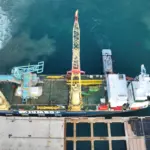





Clean water technology testing approved
The Port of San Diego has approved a new pilot project to develop a cost-effective and eco-friendly cleanup solution to extract and destroy toxic contaminants from sediment, soil and groundwater.
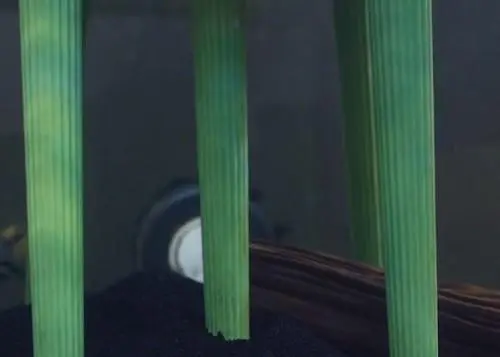
Startup cleantech solutions company ecoSPEARS will test its remediation technology in San Diego Bay as part of a two-year agreement with the port, under its Blue Economy Incubator.
“ecoSPEARS is a great fit for our Blue Economy Incubator and aligns well with the Port’s vision to support commerce, community and the environment,” said Chairman Garry Bonelli, Board of Port Commissioners. “We look forward to seeing what SPEARS can do and how this technology can make a difference in San Diego Bay.”
Sponge effect
ecoSPEARS is the exclusive licensee of the NASA-patented SPEARS technology. SPEARS stands for Sorbent Polymer Extraction and Remediation System, which was invented by a team of NASA environmental scientists as a green remediation solution for contaminated waterways.
Shaped like spikes, SPEARS filled with a proprietary solution are deployed down into contaminated sediment or around challenging or sensitive wetland areas where dredging may not be feasible.
Once settled into the sediment, ecoSPEARS says the SPEARS act like sponges, passively absorbing chlorinated toxic contaminants such as polychlorinated biphenyls (PCBs) and dioxins.
During its two-year pilot project, ecoSPEARS will deploy SPEARS at three different locations in San Diego Bay. The primary goal will be to determine how much PCB mass the SPEARS technology will remove over a predetermined period.
Additive Desorption
Additionally, ecoSPEARS will also conduct a demonstration of its Additive Desorption System (ADS) for sampled dredged dewatered sediments collected during the pilot project in San Diego Bay. ADS is a chemical assisted desorption system meant to extract halogenated contamination from soils or dewatered sediments.
The reagent laden with PCBs will then be processed through another of ecoSPEARS’ green remediation technology for molecular destruction, which is intended to reduce the overall carbon footprint of the remediation project as oppose to conventional transport and incineration of contaminated sediments.

Related Articles
 ALTERNATIVE FUELS GREENPORT