




CO2 emissions in decline
Average carbon dioxide emissions per container per kilometre on the world’s ocean transportation routes has declined by 8.4% from 2013 to 2014, according to BSR’s Clean Cargo Working Group (CCWG).
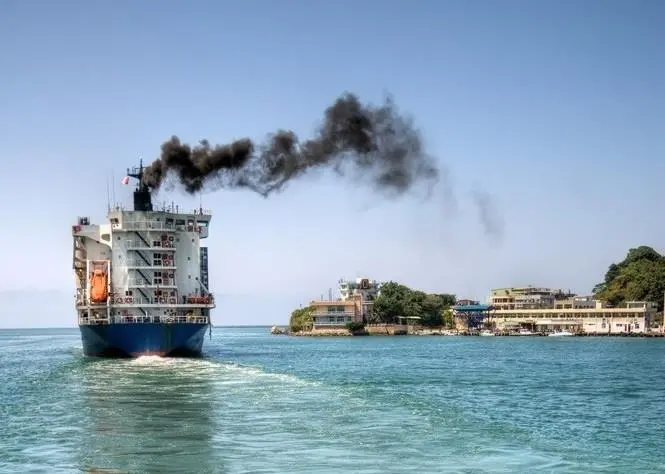
According to the CCWG’s annual report for 2015, which looks at CO2 emissions collected from 3,000 vessels worldwide, 21 of 25 trade lades show annual CO2 emissions improvements. The report also reveals a 29% decrease in CO2 emissions since 2009.
One of the main reasons for the continual decline is changes in carrier representation and global trade conditions, although carrier fleet efficiency and data quality have also played a part.
The lowest CO2 emissions in 2014 with respect to trade lines were recorded in Asia to North Europe trade route with 37.9g of CO2 emitted per teu kilometre for non-refrigerated cargo and 69.6g for reefers on 2,989 vessels, down from 47.1g and 75.9g of CO2 reported in 2012 respectively.
The highest CO2 emissions were found in Intra-Europe, with 84g of CO2 per teu kilometre for dries and 130.1g of CO2 for reefers, and Intra-Americas (Caribbean) with 80.9g of CO2 for dries and 123.8g for reefers.
But, the report also reveals a reduction from the levels recorded in 2012 for the same routes when 92.2g and 138.1g of CO2 were recorded for the said two categories in Intra-Europe and 103.4g and 147.2g of CO2 were reported in Intra-Americas.
Set up in 2003, the CCWG creates practical tools for measuring, evaluating, and reporting the environmental impacts of global goods transportation through an Environmental Performance Survey (EPS), an Intermodal Carbon Calculator, a CCWG Scorecard and CCWG Verification Protocol.
Its members, which include CMA CGM, Hapag-Lloyd, K Line, Maersk, MOL, MCC and NYK Line, among others, represent 90% of global ocean container capacity.
Related Articles
 ALTERNATIVE FUELS GREENPORT