



Coalition for shipping’s sustainability shift
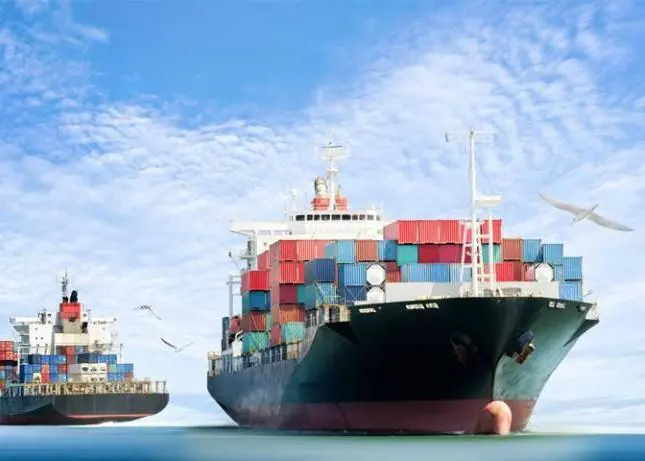
A new coalition aims to have commercially viable zero emission vessels operating along deep sea trade routes by 2030.
The group is currently conducting studies of Indonesia, Mexico and South Africa which it said will identify tangible business and investment opportunities in green energy projects as a key step towards achieving IMO climate goals.
“Shipping’s decarbonisation can spur investment in large-scale energy projects and in ports of developing and emerging countries with access to abundant untapped renewable energy resources,” said Patrick Verhoeven, Managing Director-Policy and Strategy, IAPH.
“[These] can be converted into zero carbon fuels to power maritime shipping and a range of other industries.”
Industry heavyweights
The P4G Getting to Zero Coalition Partnership includes the Global Maritime Forum, World Economic Forum, Friends of Ocean Action, the IAPH, Environmental Defense Fund and University College London Energy Institute, in partnership with the global network P4G.
One of the first jobs of the coalition will be to identify new growth opportunities that will be needed as countries seek to recover better from the current Covid-19 pandemic.
The view is that as policymakers formulate policies and stimulus measures to kickstart the global economy, they have a unique opportunity to rebuild a better more sustainable and resilient economy by taking the long-term impacts of investments on the climate into consideration.
There is certainly a need for a resilient and future-proof strategy to shape a sustainable future to avoid another global emergency that will have destructive and irreversible consequences on human wellbeing.
Shipping’s decarbonisation is an integral part of the wider energy transition. Marine vessels account for about 4% of global oil demand, making shipping’s green transition both a climate necessity and a trillion-dollar market opportunity to develop the ships and fuels that will drive this transition.
Related Articles
 ALTERNATIVE FUELS GREENPORT