






Efficient bulk terminal planning
Continuing voracious demand for mined materials in the developing nations has led to a requirement for increased bulk terminal capacity and efficient advanced planning, says Rajan Narayan, technical director at BMT Consultants India.
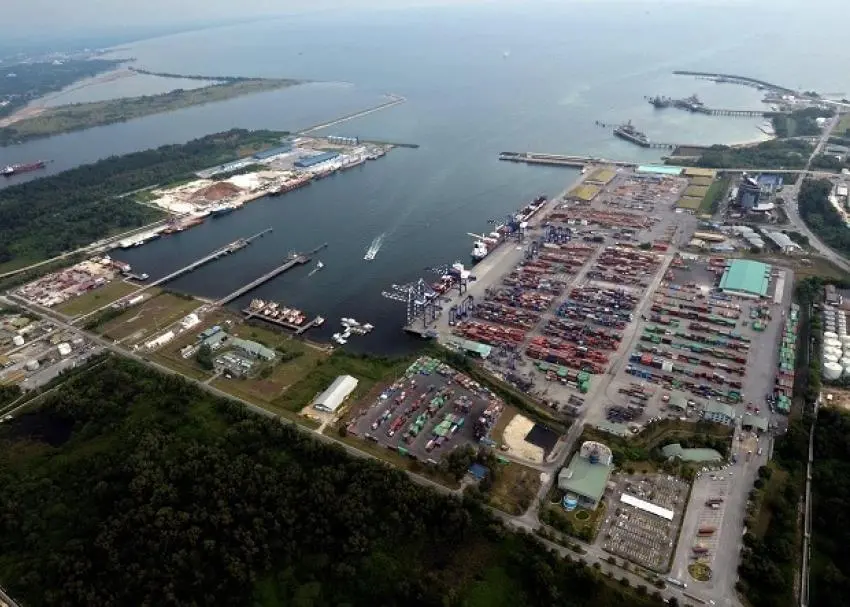
Mr Narayan said that despite a dip in demand in early 2015, China remains the world’s top coal consumer, accounting for almost a quarter of the global trade and importing 291.2 million tonnes in 2014. Coal shipments to India, the world’s third-largest importer, rose 19% to 210.6 million tonnes in 2014 driven by demand from the energy sector.
“Considering the huge quantities involved, the consistency of demand and the pressure on price, sea-transport is the most commercially viable mode of transport. Furthermore, pressure on road and rail systems and the growing awareness of environmental factors makes sea transport ethically acceptable too,” he said.
BMT is supporting the development of this increased capacity by providing professional support to clients throughout the life-cycle of a project from initial concept.
Early involvement in planning negates the risk of issues coming to light later in the process leading to a redesign.
In order to develop the most effective, efficient and commercially sustainable bulk terminal, initial planning must develop design parameters based on the client’s budget, commercial and operational requirements, as well as the physical and environmental constraints inherent in the site.
The firm said that by developing a homogeneous design philosophy, ideally with early involvement from the planning and design teams, it is possible to develop a facility that optimises utilisation as far as reasonably possible while minimising the risk of demurrage, double-handling of materials and delays.
Related Articles
 ALTERNATIVE FUELS GREENPORT