![PortStrategy[GreenPort]](https://www.portstrategy.com/wp-content/uploads/2026/09/PortStrategyGreenPort.svg)





Limestone to be repurposed for habitat
A port in New Zealand will use limestone rock from a revetment wall to develop an artificial reef for marine life to use as a habitat.
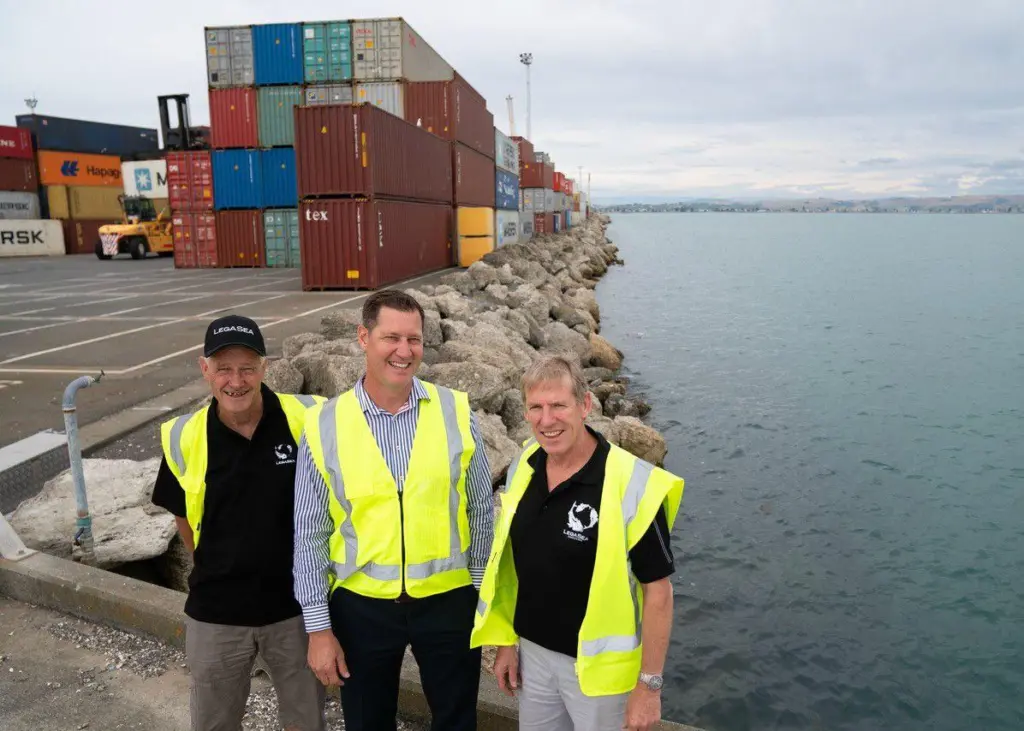
Napier Port has received resource consent to develop an artificial reef 1.4km north east of Pania Reef. The revetment wall will be dismantled as the company builds a new wharf to support regional growth.
Napier Port is working in partnership with LegaSea Hawke’s Bay, a group of recreational fishers dedicated to rebuilding Hawke’s Bay’s fish stock, to create the reef.
Napier Port chief executive Todd Dawson said: “We’re pleased that some of the dismantled limestone will be used to help to replenish our fisheries and give back to the Hawke’s Bay community.”
Local stakeholders
Before applying for resource consents, Napier Port also worked with the Mana Whenua Steering Komiti – a group of local marae, hapū and mana whenua entities – and the wider Fisheries Liaison Group, which LegaSea forms part of.
Both groups have been set up in partnership with Napier Port to protect water quality, Pania Reef, kai moana, fisheries, and other sites of cultural, environmental and recreational significance in Te Matau a Māui, or Hawke Bay, as the port undertakes its construction and dredging programme from early 2020.
While the port has received resource consent to deposit up to 20,000m3, the amount of limestone that will be used to develop the reef is still to be determined as some of the rock will be used to maintain existing revetment walls around the port.
The port also has resource consent to support a second reef about 24km from Pania Reef at the location of the “Gwen B” shipwreck, which it will do if there is enough limestone after maintenance and establishing the first reef. The reef should be established in the second half of the year.

Related Articles
 ALTERNATIVE FUELS GREENPORT