![PortStrategy[GreenPort]](https://www.portstrategy.com/wp-content/uploads/2026/09/PortStrategyGreenPort.svg)





Looking after port waters
All ports and harbours face the challenge of maintaining water quality. Mitigating against problems means taking care of the whole marine ecosystem and surrounding land, writes Nicola Jenkins, environmental management expert, Jems Consulting.
As the tides rise and fall few know the pressures on the waters surrounding ports and harbours. The still calm sea hides a multitude of secrets that are battling each other to survive. There are so many factors that can affect water quality and each port and harbour has different issues dependent on its location and physical geography.
Ports and harbours are very highly concentrated industrial areas next to the water. Many activities such as boat repair, transportation, terminal operations, cargo handling and storage all have potential impacts on water quality if an incident were to occur. All of these activities are subject to local and national regulations and monitoring and compliance are essential. In parallel, the many vessels that use the ports and harbours also have the potential to release discharges whilst in transit or alongside. Other constraints include the surrounding land around the port whether it is an urban area, expanding around the port or agricultural farmland.
Water quality is one of the top ten environmental priorities of European Ports 2013 as stated in the Ecoport’s report 2013. Water quality cannot be viewed in isolation as the interaction between environmental and physical factors closely overlap. Environmental impacts such as air quality, soil and sediment quality and flora and fauna are all interrelated.
Factors affecting port waters
Dredging also has consequences on water quality, whether it is the actual operation of the removal of sediment from the sea or riverbed, or the disposal of the dredge arisings at sea. During both processes, the increased sediment load within the water column increases turbidity that impacts on the marine species and surrounding ecosystem. Consequences have to be considered carefully so as to mitigate against the implications of both flooding and drought.
The weather can also be another issue for water quality. During heavy rain, drainage and sewer systems cannot cope with the variable load of rainwater causing flooding issues and the potential to mobilise pollutants. Moreover, if there has been a pollution incident in a port terminal area during one of these rain periods there is an increased risk, especially if the drainage systems are old and run into the port area. Detection and monitoring systems are invaluable as they assist with protection against pollution.
Monitoring water quality
Due to the location of ports and harbours some port authorities have small rivers discharging into them, which allows additional contaminants to enter the port waters. Potential pollutants can arise from neighbouring land along the path of the river for example from agricultural land, adjoining industrial and commercial properties, private dwellings and recreational parks especially if there are many wildfowl present. Working with local authorities can enable monitoring and detection to prevent this form occurring. One process that has been used in some UK ports is the Quanti-Tray® System. It is a semi-automated quantification method, which identifies and provides easy, rapid and accurate counts of Faecal Coliforms, Total Coliforms and Faecal Streptococci. The process involves taking water samples, adding a reagent and sealing in a tray with individual wells. The trays are incubated for a period of time and then assessed under a UV lamp to assess the level of organisms present. The whole process is cost effective and the results can be achieved within 24 hours. This can allow a port or harbour to monitor its own water quality in an effective and efficient way.
The marine ecosystem
There is another factor which also has a major impact on the quality of the water and the marine ecosystem – shipping pollution.
The impact of the EU Sulphur Directive on the 1 January 2015, which states that ships sailing in sulphur emissions control areas (which includes the English Channel, the North Sea and Baltic Sea), can only use fuels with a maximum sulphur content of 0.1%, will be profound. The financial impact of this directive has meant that vessel operators and owners have had to look for alternative ways to meet the requirements. This has included fitting scrubber systems that remove the toxins from the emissions before they leave the vessel stack and therefore emitting cleaner air. The environmental impacts from scrubber systems are currently being debated and the impacts of open loop and closed loop systems on the water quality assessed. The solid waste from the scrubber system is also causing an issue to many ports and harbours when it comes to ensuring the correct disposal method.
Another major issue affecting the port marine environment is the potential for alien species to be transported on the hull of a vessel or in ballast water and transported from one country to another. There are several species that are currently invading the European shores at present and the following are some examples:
– Killer Shrimp – wipes out native species and preys on small fish.
– Quagga Mussel – suffocates other mussel species, reproduces quickly and can block pipes and can affect drinking water.
– Fishhook Waterflea – destroys local species and clogs fishing nets.
– Gravel Snail – dominates local species and disturbs the food chain.
Improving water quality
At the GreenPort Congress held at the World Trade Centre in Barcelona in October 2014, the attendees had the opportunity to discuss water quality, including the forthcoming issues and challenges facing ports and harbours today.
The forthcoming challenges facing ports discussed included implementing good water quality in a port that has been in situ for tens of hundreds of years with old small drainage systems and the issue of flooding.
Dealing with climate change and the extreme weather events that occur whilst having the flexibility to adapt was also forefront in delegates’ minds, as was meeting local, regional and international legislation and ensuring effective communication whilst sharing knowledge with others, especially where a port is near to a sensitive area, such as bathing beaches or protected areas.
It was pointed out that communicating with city officials to improve historic waste and sewer systems by taking a combined approach to dealing with discharges from storm water, allowing legislation to be met before and after a potential environmental impact, was probably the correct way of moving forward.
Other solutions pointed out identified the need to keep things simple and learn from experience and other ports. A holistic approach to the management of marine estuarine developments it was noted is essential, as the whole estuary should be looked at whilst working with nature, which is ecologically and financially beneficial in the long run, especially in estuaries with regards to sediment management. Implementing integrated management for future proposals to improve collaboration and communication between ports and cities, is essential for a positive outcome.
Some of the excellent solutions given at the conference included Stormwater Italia which explained the integrated storm water management solutions, including retrofitting in an existing port outfall structures and the development of new systems both encompassing minimal interference to the operator.
I’m sure that with continued commitment from the ports, harbours and terminals, the chances of reducing the impact on water quality and meeting current and future legislation, will allow good water quality status to be achieved. Communication and synergy with stakeholders and shippers is also essential to add clarity and allow a consistent approach making it easier for visiting vessels to do their part too.
The TIDE project
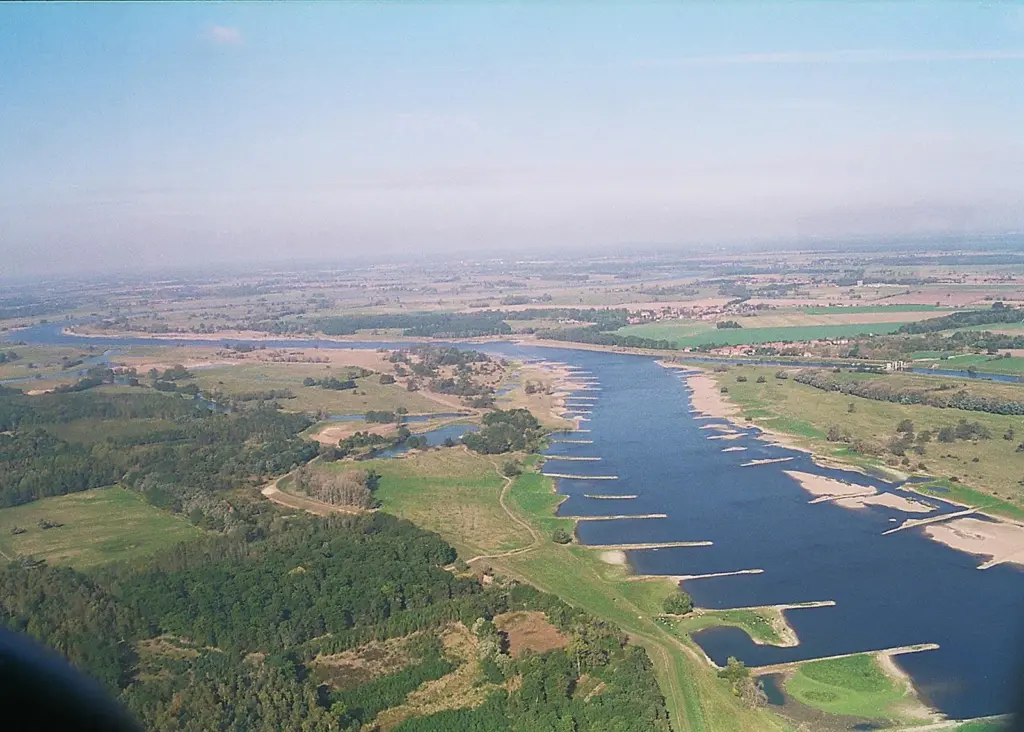
The Tidal River Development project (TIDE) (www.tide-project.eu), which looks at the integrated management of an estuary in relation to its own dynamic systems and sediment management, was mentioned by delegates at this year’s GreenPort Congress as an extremely important example of good practice when it comes to environmental management, in terms of understanding the estuary in relation to port activities.
It was launched in early 2010 and focuses on the four northern European estuaries – the Elbe and Weser in Germany, Scheldt in Belgium and The Netherlands and the Humber in the UK. The estuaries are characterised by a significant tidal range, strong tidal currents, high sediment transportation rates, and they are at the same time important shipping channels as well as designated NATURA 2000 sites protected by EU legislation.
Ten partners from port and waterways administrations, universities and environmental agencies around the Elbe, Humber, Scheldt and Weser estuaries founded this EU INTERREG IV B project to propose the integrated management of estuaries leading to benefits for ecology, economy and society.
Partners include the Antwerp and Hamburg port authorities, the Ministry of Economic Affairs, Labour and Ports, Free Hanseatic City of Bremen and the UK Environmental Agency.
Among a multitude of issues, the project has been looking at assuring accessibility to an inland estuarine ports without affecting wildlife habitats, mitigation against flooding and strategic planning issues.
It is the aim of the TIDE partners to learn from each other in order to be able to develop instruments and identify state of-the-art and governance solutions for estuarine management. TIDE wants to share the knowledge and the experiences made with other interested or responsible people, institutions and stakeholders at a regional, national and international level.
Related Articles
 ALTERNATIVE FUELS GREENPORT