![PortStrategy[GreenPort]](https://www.portstrategy.com/wp-content/uploads/2026/09/PortStrategyGreenPort.svg)





Port-created habitat rich with wildlife
A wildlife area created six years ago to offset losses of habitat from a development at a UK port has proved so successful it has been ranked by a top entomological consultant as of national importance for insects and other invertebrates.
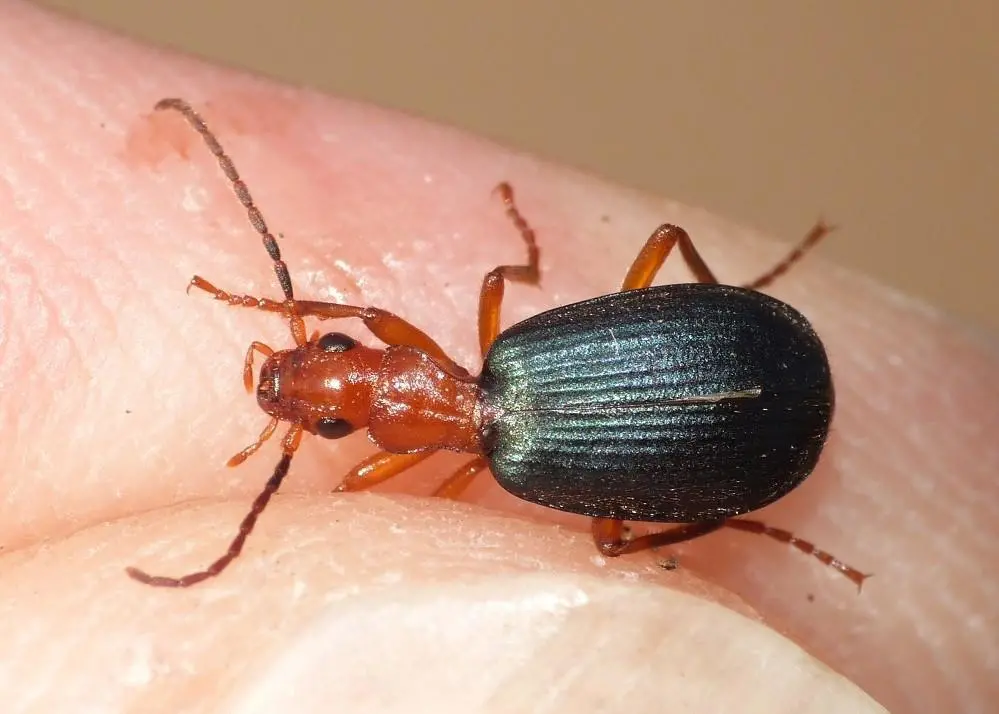
Development of the Port of Tilbury’s London Distribution Park (LDP) prompted the port to ask ecologists Bioscan UK Limited to design the site at Mucking Landfill in 2013. Monitoring studies last year found that the new habitats already supported a proportionally higher number of rare and scarce invertebrate species than had been found at the LDP site in 2011, prior to development.
Peter Ward, commercial director at the Essex-based port, owned by Forth Ports, said: “The results of this study are fascinating and I am really pleased the habitat has been deemed so successful that it is now considered of national importance.”
‘Dune’ established
The site was created by spreading chalk slurry over an area equivalent to six football pitches and then placing ‘dunes’ made from waste fly ash and chalk bunds on the top. By agreement with the owners of the landfill site, Enovert South, it was then left unmanaged and allowed to develop naturally.
Dr Mark G. Telfer, an independent entomological consultant, recorded 236 invertebrate species in the new habitat in 2018. Of these, 15% are deemed to be rare, scarce or have a threatened or near threatened conservation status. Further analysis has shown that the new habitat supports an exceptionally high quality ‘bare sand and chalk’ assemblage of species.
Ecologists will continue to monitor the site but as the initial study has been so successful the report recommends creating additional invertebrate habitats at Mucking – a scheme that is now in process to offset impacts from the Tilbury 2 development on the site of the former Tilbury Power Station.
Mr Ward added: “We will continue to work with Bioscan on future studies and hope to replicate a similar study to coincide with Tilbury 2.”

Related Articles
 ALTERNATIVE FUELS GREENPORT