



Ports collaborate on LNG guidelines
An ‘LNG Fuelled Vessels Working Group’ has been set up under the auspices of the International Association of Ports and Harbour’s (IAPH) World Ports Climate Initiative (WPCI), in a bid to develop guidelines on safe procedures for LNG bunkering operations.
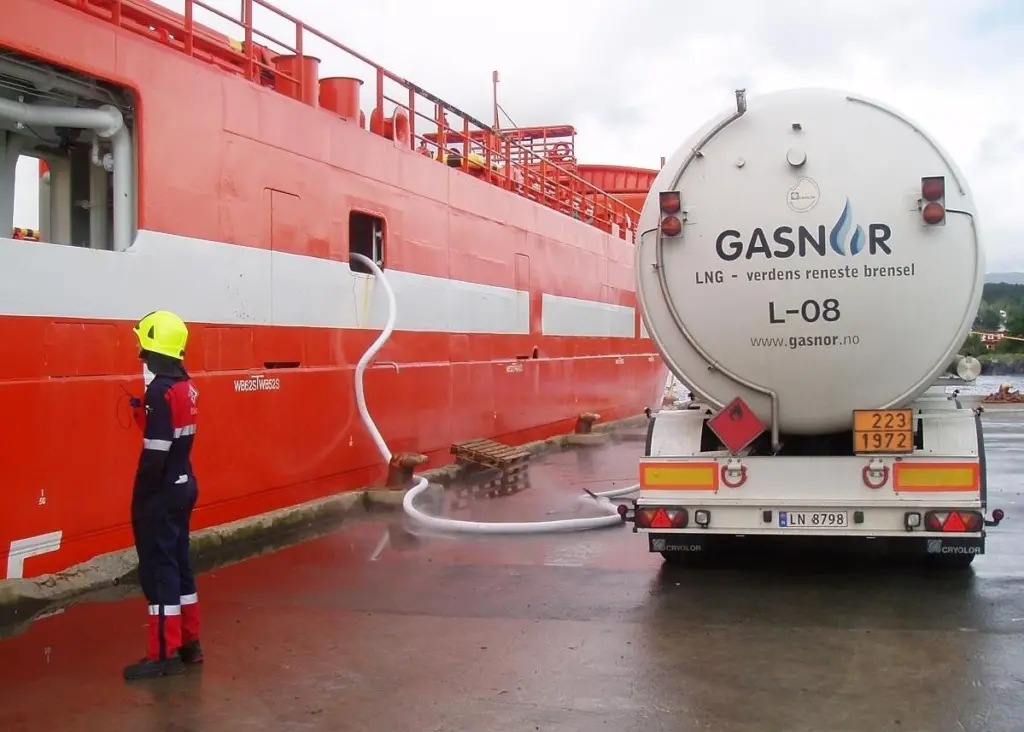
It is expected that by 2015, a number of progressive shipping lines will lead the way and will have LNG powered vessels in their fleet, presenting a challenge for ports around the world.
The working group, which is chaired by the Port of Antwerp, aims to provide ports around the world with an implementation guideline for LNG bunkering. Consisting of three sub working groups, LNG bunkering checklist, LNG bunkering risk perimeters and LNG public awareness, the working group maintains close contacts with industry stakeholder and experts currently using and/or handling LNG, as well as government agencies.
Representatives from the ports of Amsterdam, Bremerhaven, Brunsbüttel, Gothenburg, Hamburg, Le Havre, Los Angeles, Long Beach, Rotterdam, Stockholm and Zeebrugge, are also active participants.
According to a recent study by the Danish Maritime Authority, the current use of natural gas within the SECA zone is expected to increase by 140% by 2020. As a result, sulphur and particle emissions should be reduced to almost zero, nitrogen oxide emission by 85% to 90% and greenhouse gases by 15% top 20%.
Related Articles
 ALTERNATIVE FUELS GREENPORT