




Ports set goals to cut Northwest emissions
The Northwest ports of Seattle, Tacoma and Metro Vancouver are increasing their goals to further cut diesel emissions by 2015.
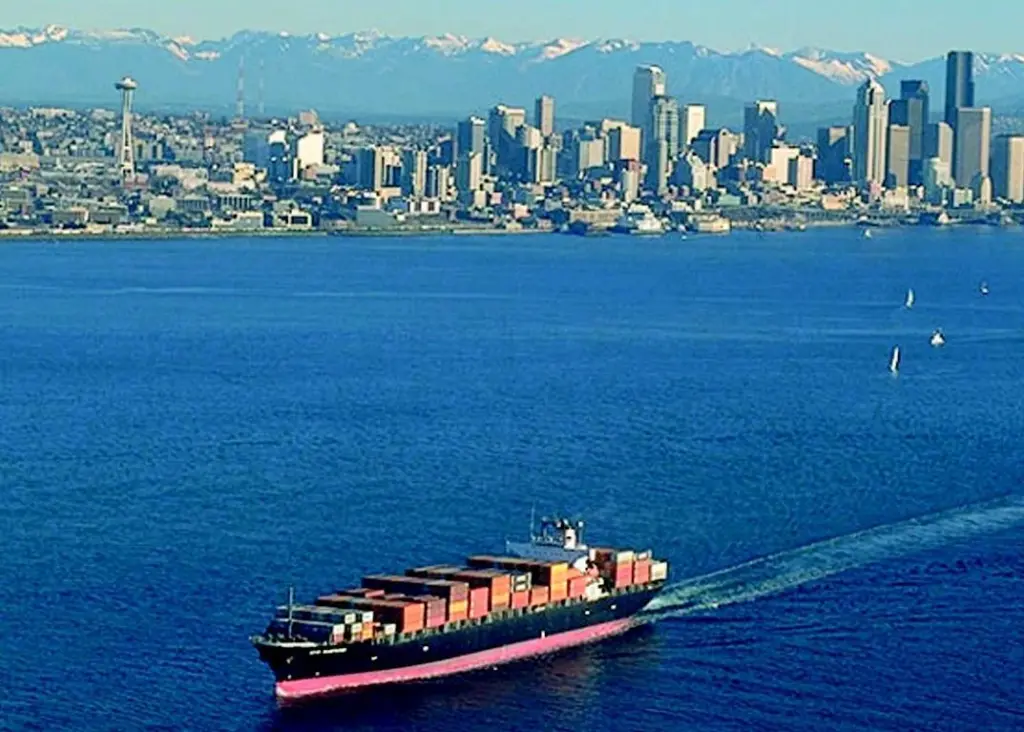
The ports are aiming to cut emissions by 75% per tonne of cargo moved by 2015 and 80% by 2020, from a 2005 baseline, as part of the newly adopted 2014 Northwest Ports Clean Air Strategy Update.
They also aim to reduce greenhouse gases by 10% by 2015 and 15% by 2020 per tonne of cargo moved.
A spokesportson for the Port of Seattle told GreenPort: “Each port will develop emission reduction programmes that are specific to their respective port structure, sectors, and contaminants of concern. All three ports will initiate pilot studies and demonstration projects to assess how new emission-reduction technologies can help meet the emission-reduction goals.”
The “ground-breaking” partnership between the three ports and five regulatory agencies began in 2007.
To develop and implement the 2007 strategy and the 2013 strategy update, the three ports partnered with other government agencies in the Puget Sound area – the US Environmental Protection Agency, Washington State Department of Ecology and the Puget Sound Clean Air Agency.
Adopted this week, the 2013 update has been based on the results of the 2011 Puget Sound Maritime Air Emissions Inventory, which found maritime-related air pollution has decreased since 2005.
Much of the progress is due to significant, voluntary investments of the marmite industry and government agencies in cleaner fuels, technology and more efficient systems of operation.
Working with customers, tenants, shipping lines and environmental organisations, the ports use diesel-powered ships, trains, trucks and other equipment to move goods and passengers through the ports to other destinations.
A spokesperon for Port Metro Vancouver told GP: “Each sector is unique and requires a customised approach to working with the various stakeholders to progress toward emissions reduction goals. Progress toward emissions reduction goals is tracked and reported annually in the NWPCAS Implementation Reports. A detailed emissions inventory is conducted every five years to confirm results.”
The ports say improving air quality and reducing port-related emissions in the shared airshed will safeguard public health and the environment while supporting economic growth.
Related Articles
 ALTERNATIVE FUELS GREENPORT