![PortStrategy[GreenPort]](https://www.portstrategy.com/wp-content/uploads/2026/09/PortStrategyGreenPort.svg)





Ports sustainability project gets underway
A project to reduce the impact of port operations in cities, control emissions from ports and ships and optimise cargo handling in Europe’s main ports has had its first meeting.
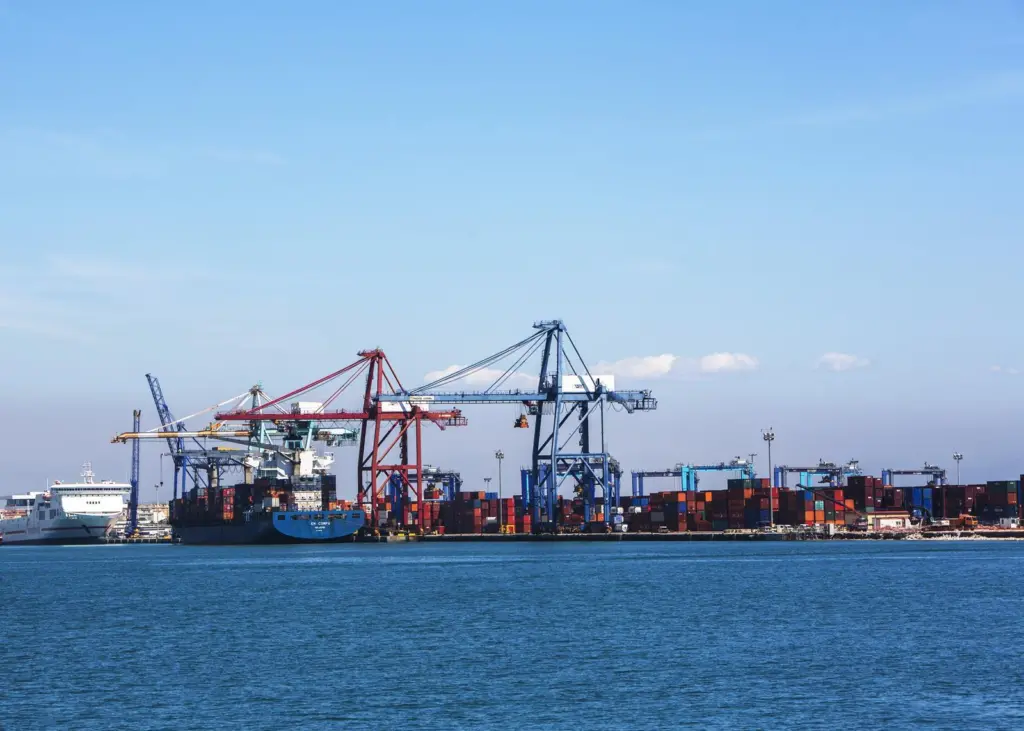
Launched last year, the Green and Connected Ports project (GREEN C PORTS), led by the Valenciaport Foundation, aims to provide a suitable array of digitalisation tools and technologies to support port environmental sustainability and performance of port operations in the TEN-T Core Network.
This project, funded by the European Commission’s Connecting Europe Facility (CEF) programme, will address six business cases consisting of prototypes and pilot tests that will be implemented in different European ports and that will serve as a basis to test innovative technologies such as IoT, big data or predictive analysis using artificial intelligence models.
Six experiments
At the Port of Valencia, the first business case will integrate different platforms, sensor networks and sources of information to predict the date and time of entry and departure of trucks, using predictive analytics and business intelligence tools.
The second business case aims to predict the closure of the Port of Venice due to tide, wind and fog, and consequently to optimise the date and time of entry and departure of ships using predictive analytics and big data tools for safer and more efficient operations.
Business cases three and four aim to improve air quality and noise in the ports of Piraeus and Valencia. A series of sensors, meteorological databases, optical-imaging cameras and other equipment will be deployed to predict air and noise quality levels in a near future date and time, enabling authorities to make decisions that mitigate these impacts.
Case five will evaluate how ship to shore (STS) crane productivity is affected by wave agitation, currents and wind in the ports of Bremerhaven and Wilhemshaven. By modelling together big data originated by different port IT systems, a set of warnings will be sent to affected parties when expected reductions in port productivity are expected. Shipping companies can then reduce the port call duration and the polluting emissions of their ships.
The sixth business case will evaluate the emissions impact of a series of goods from the beginning to end of their journey. A series of sensors and emission cameras will be used to determine the carbon footprint of each of these goods.

Related Articles
 ALTERNATIVE FUELS GREENPORT