![PortStrategy[GreenPort]](https://www.portstrategy.com/wp-content/uploads/2026/09/PortStrategyGreenPort.svg)




Seabed cleaning using robotics and AI
A new research project which aims to develop a system to clean the ocean seabed using a combination of robots and artificial intelligence will be demonstrated in a German port.
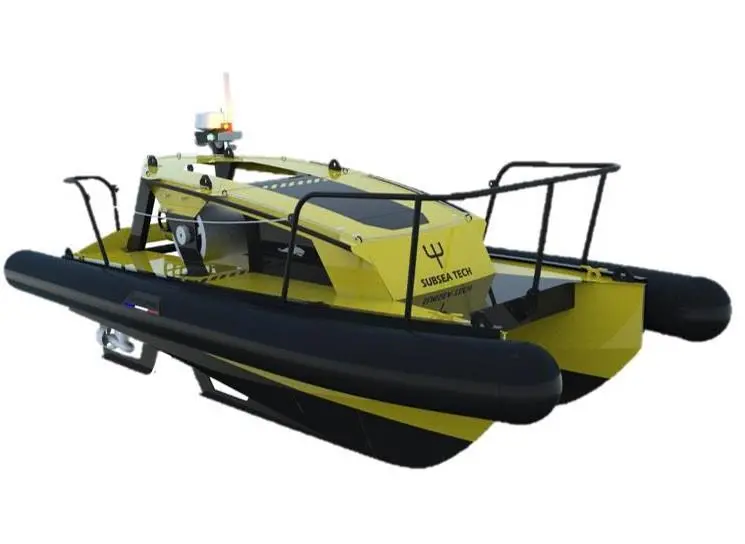
The SeaClear (Search, identification, and Collection of marine Litter with Autonomous Robots) project will build a mixed team of unmanned underwater, surface and aerial vehicles to find and collect litter from the seabed. The project plans to use aerial vehicles to study the correlation between surface and underwater litter. The underwater vehicles will be fitted with special suction grippers for both small and large waste.
The system developed will be demonstrated in two case studies: one in the Port of Hamburg, and the other in a tourist area near Dubrovnik. SeaClear is supported with €5m funding from the EU Horizon 2020 research and innovation programme.
Germen research centre Fraunhofer CML is undertaking the project involving a team of researchers in a consortium of eight European partners, including Hamburg Port Authority.
It is estimated that the oceans contain between 26 and 66 million tonnes of waste with approximately 94% of this total located on the seabed. So far, collection efforts have focused mostly on surface waste, with only a few local efforts to gather underwater waste, always involving human divers.

Related Articles
 ALTERNATIVE FUELS GREENPORT