![PortStrategy[GreenPort]](https://www.portstrategy.com/wp-content/uploads/2026/09/PortStrategyGreenPort.svg)




Zero-emission alliance set 2030 goal
Four ports are part of an alliance of more than 60 organisations aiming to have commercially viable zero-emission vessels powered by zero-emission fuels operating along deep sea trade routes by 2030, leading to shipping’s complete decarbonisation.
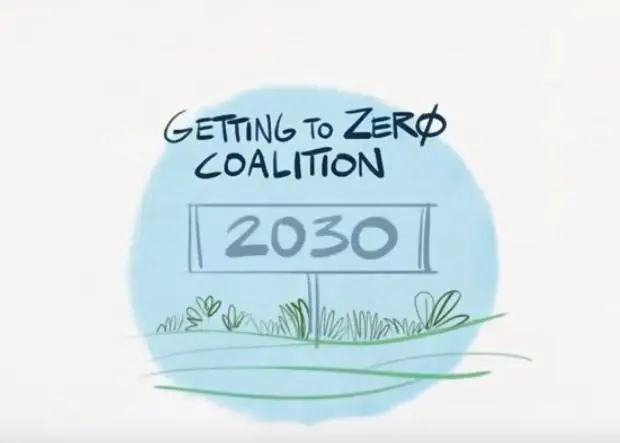
Members of the Getting to Zero Coalition, a partnership between the Global Maritime Forum, the Friends of Ocean Action, and the World Economic Forum, include Port of Antwerp in Belgium, Port of Aarhus in Denmark, Port of Rotterdam in the Netherlands and Vancouver Fraser Port Authority in Canada.
Jacques Vandermeiren, chairman and CEO of Port of Antwerp, said: “Ports act as important levers for shipping’s decarbonization. At the Port of Antwerp we are fully aware of the need for transition to more sustainable shipping.
“We are committed to accelerating the development of commercially viable low-carbon fuels and decarbonizing cargo facilities. The ambition of the Getting to Zero Coalition will inspire the entire maritime sector to keep innovating constantly towards zero emission shipping.”
IMO’s GHG strategy
The ambition of the Getting to Zero Coalition, which also includes six knowledge partners and nine supporting organisations, is closely aligned with the IMO’s initial GHG strategy.
The strategy prescribes that international shipping must reduce its total annual greenhouse gas emissions by at least 50% of 2008 levels by 2050, whilst pursuing efforts towards phasing them out as soon as possible in this century.
This will ultimately align greenhouse gas emissions from international shipping with the Paris Agreement. The Coalition is committed to making this ambitious target a reality by getting commercially viable deep sea zero emission vessels powered by zero emission fuels into operation by 2030.

Related Articles
 ALTERNATIVE FUELS GREENPORT