![PortStrategy[GreenPort]](https://www.portstrategy.com/wp-content/uploads/2026/09/PortStrategyGreenPort.svg)


Long Beach surpasses air improvement targets
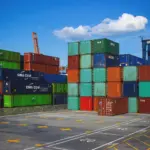
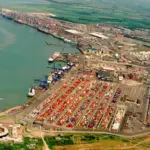
The Port of Long Beach has surpassed its 2014 air pollution reduction targets through its air quality improvement programmes which aim to put in place cleaner diesel trucks, low sulphur fuel and increased use of shore power.
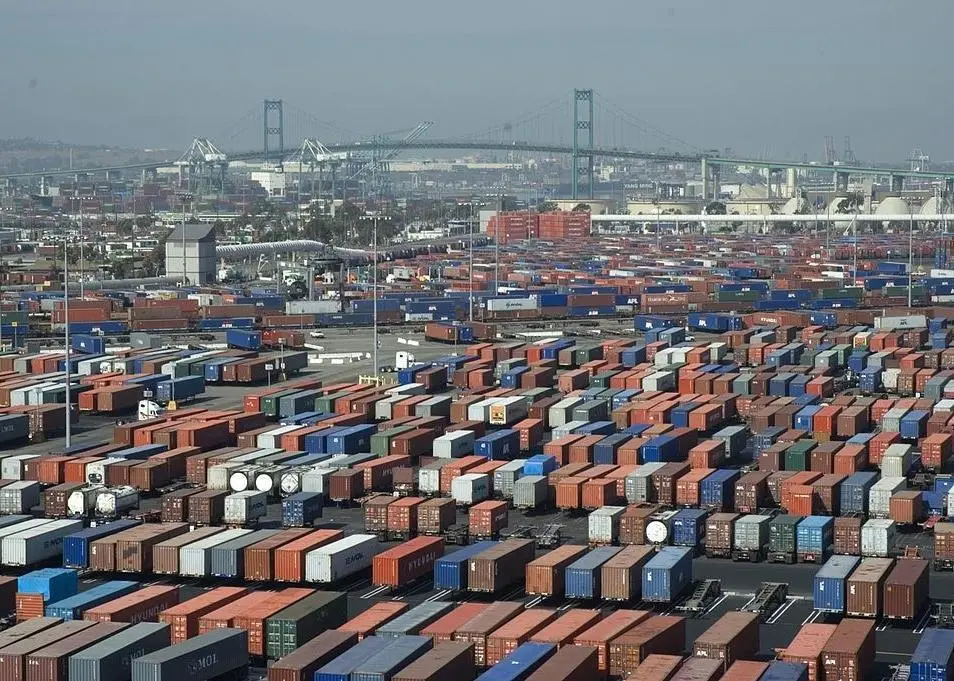
According to its annual emissions survey, the port has reduced diesel particulates by 85% since 2005, nitrogen oxides (NOx) by 50% and sulphur oxides by 97%. The port said that these reductions surpassed the goals established under the San Pedro Bay Ports Clean Air Action Plan.
“The Port of Long Beach has shown that accelerating investments in new technology clean diesel trucks has propelled the port to both environmental and economic gains. It also lays the foundation for continued progress toward future goals,” said Allen Schaeffer, executive director of the Diesel Technology Forum.
According to the port’s 2014 emissions inventory, the majority of trucks that now service the port’s terminals (91%) are diesel-fuelled vehicles. Alternative fuel trucks, primarily those fuelled by LNG, made approximately 8.2% of the terminal calls in 2014, according to the Port’s Clean Trucks Program (CTP) activity records and the Port Drayage Truck Registry (PDTR).
The port prohibits trucks older than 2007 from entering the complex and requires that trucks register with the port. Pre-2007 trucks that gain access on a one-time basis have to pay a significant fee.
According to the dray truck registry, about 60% of the 16,887 registered trucks entering the port were built between 2007 and 2009. The remainder were built in 2010 or more recently.
Related Articles
 REGULATION & POLICY GREENPORT
 REGULATION & POLICY GREENPORT
 REGULATION & POLICY GREENPORT