![PortStrategy[GreenPort]](https://www.portstrategy.com/wp-content/uploads/2026/09/PortStrategyGreenPort.svg)



Do yourself a favour and the world at the same time
It was an eye opener for me to learn that global steel production is a massive contributor to C02 emissions and furthermore that inadequate corrosion protection is contributing more to global CO2 emissions than the entire aviation business on an annual basis. With the maritime sector accounting for an estimated 100 million tonnes of steel annually then it certainly has a role to play in reducing this little publicised dimension.
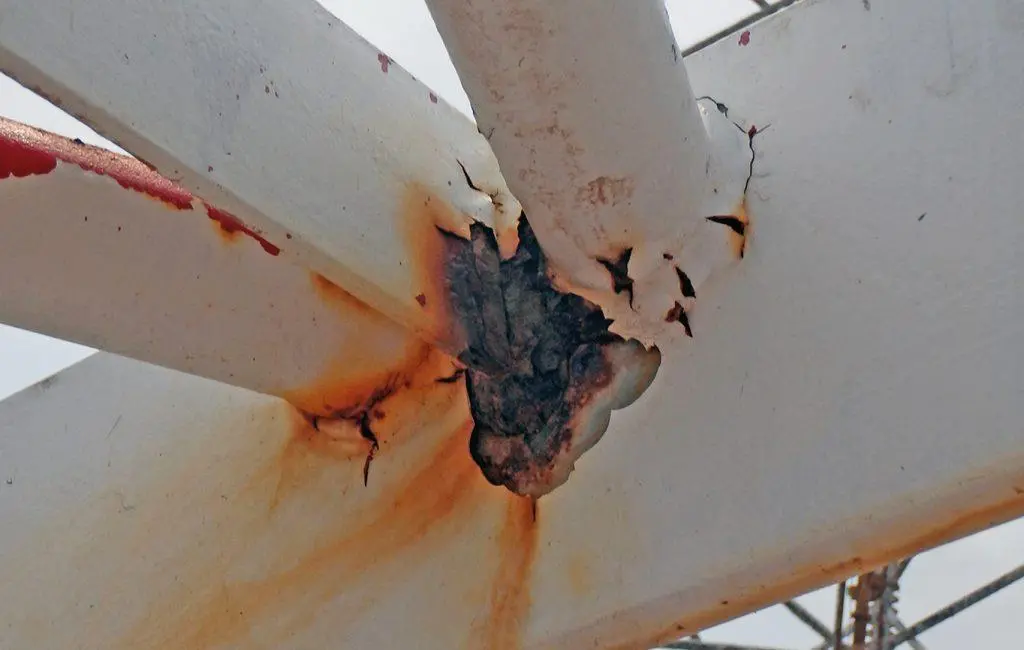
In a port context, It is time to think more about corrosion protection and thankfully there are some signs that this is happening – the article in this issue Coating to Battle C02 highlights a number of port initiatives coupled with coating system advances.
That said, this subject area is clearly not a high visibility one and it is a more or less a certain bet that smaller ports and terminals do not make provision for it their respective annual budgets. It is sad to say that generally there is a more reactive approach to corrosion than a proactive one. All the more so as we are now in an era where many steel structures are in need of either renewal or extensive refurbishment.
Without doubt the topic of steel structure corrosion and prevention needs to figure larger in port sector thinking. Invariably, steel structures are exposed to a harsh environment – saltwater, humidity, impact damage and so on – and this demands a commensurate response.
It is clear, for example, that the same level of understanding that exists about how the impact of climate change on concrete for quay and terminal yard construction – specifically through increased C02 concentration, temperature and relative humidity – doe s not exist regarding the negative impact of corrosion to steel in port usage.
So, the message is ‘think more about corrosion and act to prevent it.’ To put it in the colloquial, “do yourself a favour and the world at the same time.”