



Labour saving revolution
Concerns are being expressed by unions about the potential loss of dockworker jobs in Rotterdam resulting from the introduction of two new highly automated container terminals and over-capacity.
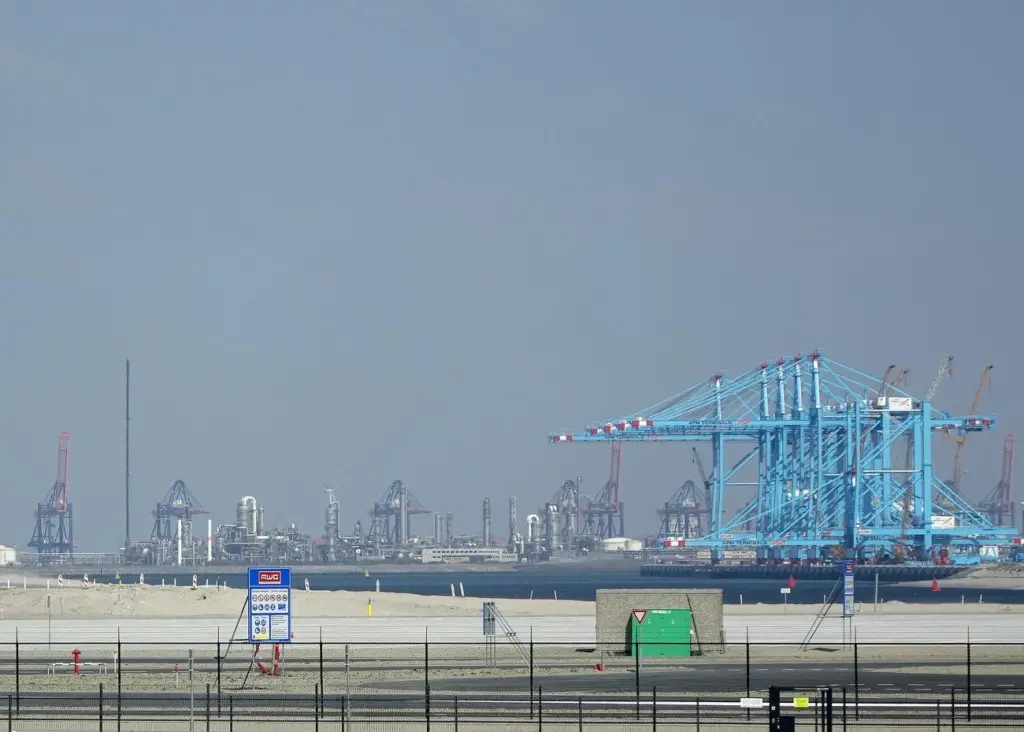
The concerns have been raised by The International Transport Workers’ Federation and the FNV Bondgenoten container terminal workers union. FNV has called on the port authority and other companies in Rotterdam to initiate a serious dialogue on this subject. It has further criticised Rotterdam Gateway for not engaging with the union and moving to sign a collective bargaining agreement.
The increased role of automation in port operations in mature economies, where labour costs are high, is inevitable. In such a situation, labour is usually the highest component of operational cost and often it is only through seeking to reduce this that new terminal development is viable.
It is, therefore, a natural step to look to replace manpower with automation in key aspects of a container terminal operation – automated processes in container handling in the yard area for example.
In real terms, this is progress albeit that it is maybe as hard to accept as the ending of the UK’s National Dock Labour Scheme, which in October 1990 saw the size of the country’s port workforce reduced to 4,000 from a total of just over 9,000 in April 1989. No one can deny, however, that the ending of this scheme combined with the advent of port privatisation ushered in a new era of growth in the UK ports sector.
The underlying impression retained when hearing the aspirations of the worker representative bodies in Rotterdam is that they wish to resist or slow the impact of this essential change. A more appropriate approach may be to work with employers to ‘manage this change’ which could entail the introduction of re-training programmes and so on. Equally, it necessitates recognition of the fact that a good sized element of port worker activity is moving away from a blue to white collar requirement.
There is no doubt that there is what amounts to a mini-revolution taking place in labour terms in the modern high capacity container terminal operating in developed economies. Not only does this dictate the need for revised labour arrangements but to a significant extent a new profile of port worker where intelligence is the primary requirement over and above physical ability.