



Prepare for the worst
In the wake of the devastating effects of typhoon Haiyan on the Philippines, the debate has intensified as to the effects of global warming on tropical storms.
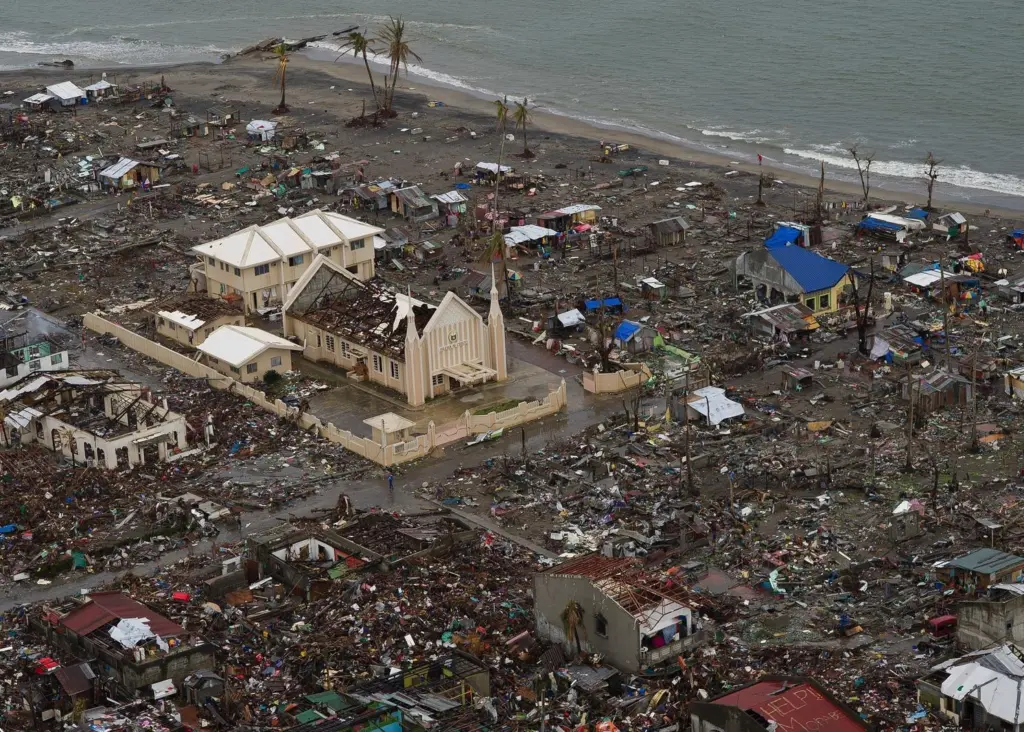
Haiyan, known as Yolanda in the Philippines, was head and shoulders above the normal calibre of typhoon that regularly hits the Philippines. Meteorological records don’t facilitate any analysis as to whether Haiyan was the most powerful typhoon ever but if the answer isn’t clear in the death and destruction it wrought then consider the comparison made by many between it and hurricane Katrina which brought New Orleans to its knees in 2005. It is estimated that Haiyan’s peak wind speeds were greater than 300kph (190mph). It is thought Katrina had a wind speed of approximately 200kph when it hit land.
So was Haiyan a direct consequence of global warming and can more typhoons of this magnitude be expected? Naderev Sano, Philippines representative speaking at the Warsaw Climate Summit, was categorical that this would be the case. But without going into detail, the meteorological facts behind this assumption are not proven – opinion is divided.
What is clear, however, is that wherever in the world there is the potential for this to happen then commercial ports along with other parties must prepare for the worst. It adds a new dimension to the Disaster Management seminars run specifically for port and terminal management both in-house and by specialist private sector companies.
There is a lot to learn from entities such as Philippines-based international terminal operator ICTSI, which at its Manila and other Philippines terminals, puts in place extensive preparations when a typhoon warning is signalled. Among other arrangements, ICTSI’s flagship Manila International Container Terminal (MICT) maintains a specially trained response group to prepare the terminal to ensure personnel, hardware and facility safety in the face of such a threat.
The pooling of such knowledge between involved parties can only be of benefit to all concerned. Similarly, a pooling of ideas and experience with regard to disaster response can only prove positive. These two propositions are perhaps worthy of more formal attention by agencies such as IMO or international port associations.