




Under the microscope
COMMENT: Just how much ports are under the microscope nowadays when they are located close to a city or populated areas is highlighted by the recent experience of Associated British Ports’ (ABP) port of Southampton, writes Mike Mundy.
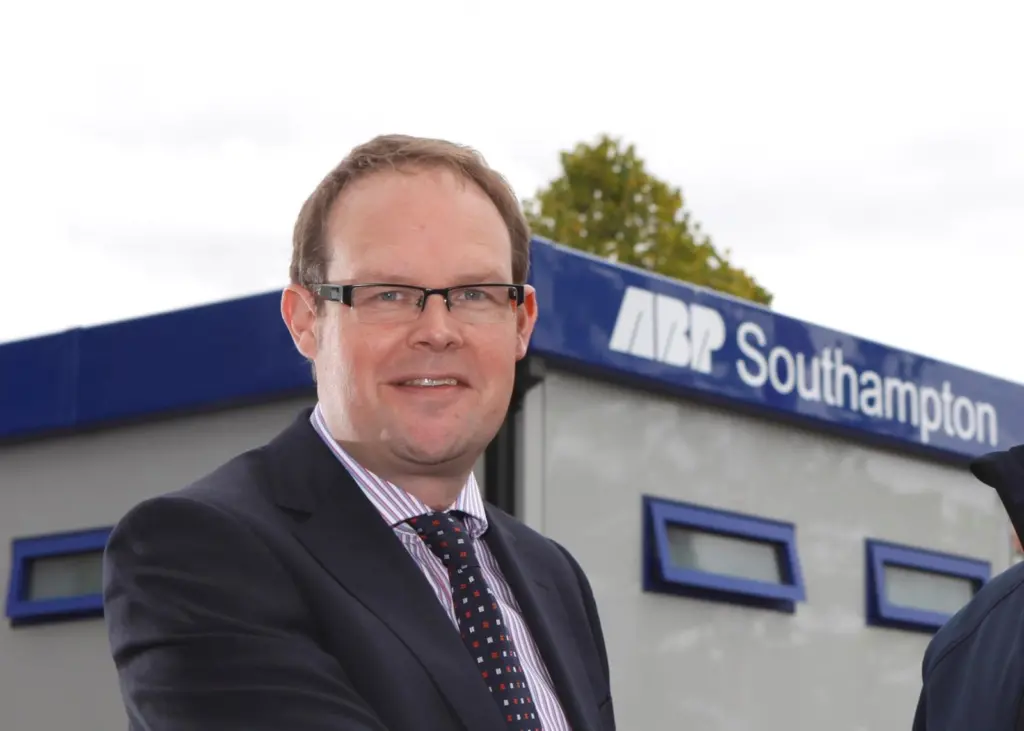
The UK operator’s move to purchase the Marchwood and Cracknore industrial parks from owner Oceanic Estate has ruffled some feathers.
Despite Nick Ridehalgh, port director, ABP Southampton, stating publicly that the intended purchases represented a good fit within the port’s existing business and that they provided strategic long term value, the move by ABP sparked considerable speculation and criticism.
One local Councillor questioned whether it was a move that had as its end game the idea of getting a foothold in an area where ABP can start developing port operations similar to the ambitious scheme they had previously proposed for Dibden Bay. Another Councillor voiced a similar thought suggesting the initiative was, “Dibden Bay by the back door”.
And in response to a relatively small newspaper article on ABP’s purchase initiatives there were no fewer than thirty six pages of comments expressed following its publication – some in favour of more industrial and commercial development, others clearly against and those that struck a balance suggesting it is OK, subject to essential road system development.
This clearly underlines the importance today of port’s co-existing with their neighbours. This has to be worked at and a plan/strategy put in place in order to build an effective dialogue with all stakeholders. Regular meetings, Q&A sessions, briefing publications and so on can all go a long way towards reducing the scope for conjecture and generally shaping a constructive relationship.
Certainly, such an approach would have put to bed early the idea of a second coming for a Dibden Bay type scheme. Local councillors and others could have been briefed that the foreseeable container capacity versus container demand scenario does not warrant the allocation of millions of pounds to build a major new container port complex in the UK.
The recent development of London Gateway on the River Thames has taken the baton away from Southampton in this respect. It has recently added major new capacity and will be further developed on a phased basis in line with demand.