A three-month project will explore how novel geospatial systems can streamline port operations, improving efficiency and tackling societal disbenefits.
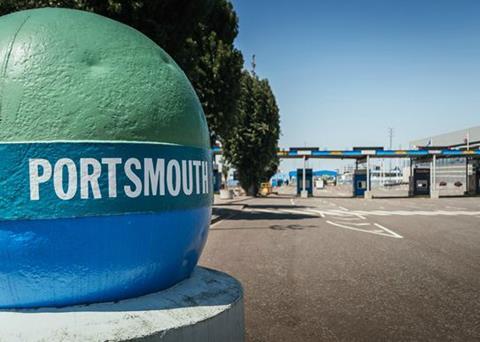
Portsmouth International Port (PIP) plans to boost both passenger numbers and freight volumes in the next decade, but wants to do this sustainably and without contributing to the city’s air quality issue. Portsmouth City Council is proposing to create consolidation centres which would allow freight movements to be optimised, and to move containers from the port to outside the city with zero-emissions.
These centres need to be fully integrated into the wider maritime logistics network. The SpacePort project, which brings together brings together marine sector specialist Marine South East, Connected Places Catapult and PIP, aims to explore the feasibility of a pilot system to achieve this integration.
Jonathan Williams, CEO of Marine South East, “The UK economy depends on its ports, importing vital supplies and delivering exports to customers. Yet ports can also be bottlenecks, causing delays and contributing significantly to traffic congestion and emissions in port cities. MSE are delighted to be working with our partners Portsmouth International Port and Connected Places Catapult to find novel solutions to these challenges, exploiting the power of geospatial data and analytics. These solutions can also be pathfinders for other UK ports, leading to the development of high value information services for the international port logistics market.”
Developing a solution
Marine South East will work with Connected Places Catapult to research and develop a solution to this challenge based around smart application of geospatial data resources. The project will develop advanced information services to streamline supply chain logistics from the port to the city and hinterland, offering increased customer value-add whilst minimising congestion and air pollution.
The project team will work closely with Portsmouth International Port and Portsmouth City Council, to ensure that the solutions meet the needs of the port and its customers, align with the city’s transport strategy and port masterplan whilst also delivering significant improvements to the air quality of the city.
SpacePort is funded by the Geospatial Commission in partnership with Innovate UK under SBRI (Small Business Research Initiative).