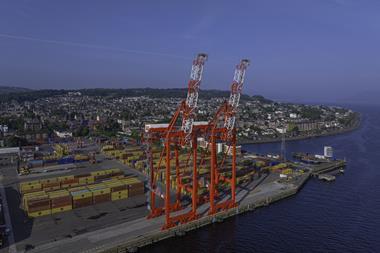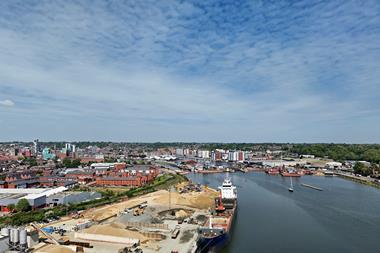

The Scottish Government is developing plans for a new model of green ports focused on inclusive growth, fair work practices and delivering a net zero economy.
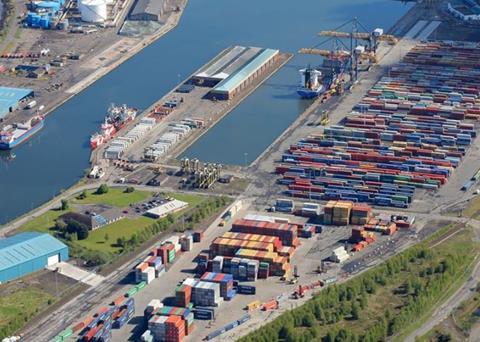
These green ports would adapt the UK government’s freeport proposals, offering streamlined planning processes and a package of tax and customs reliefs. However, in a clear message to the UK government, acknowledging the concerns about freeports, this is where the similarities will end.
Trade Minister Ivan McKee, who will hold discussions with the UK Government in the week beginning 25 January, explained that “we propose to take the freeport model and apply Scotland’s priorities to it, so that it meets our ambition to deliver a net zero, wellbeing economy that upholds the highest standards of environmental protections and fair work practices and supports our strategy of building clusters of high productivity businesses across Scotland’s regions”.
Sustainable practises
The green ports would make it necessary for operators and businesses benefitting from the package of incentives to pay the real Living Wage; adopt the Scottish Business Pledge; commit to supporting sustainable and inclusive growth in local communities; and contribute to Scotland’s transition to net zero.
The Scottish Ports Group welcomed the announcement, but Stuart Cresswell, chair of the Group, stressed: “Significant questions remain, notably regarding the number of sites that will be established as Greenports and the specific mechanisms that will be included here; which we look forward to receiving more detail on shortly.”
Phoebe Warneford-Thomson, policy manager and economic analyst and lead on freeports and Scottish policy at the British Ports Association (BPA), added the proposal “represents a real opportunity for Scottish ports and we are grateful to the Government for listening to the industry's views on how to build a zoning-policy that creates conditions that allow ports and their local communities to flourish”.