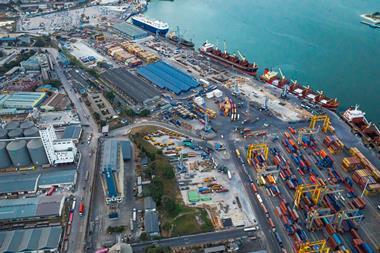

The US has once again warned Israel to reconsider Chinese investment in the port of Haifa in Israel.
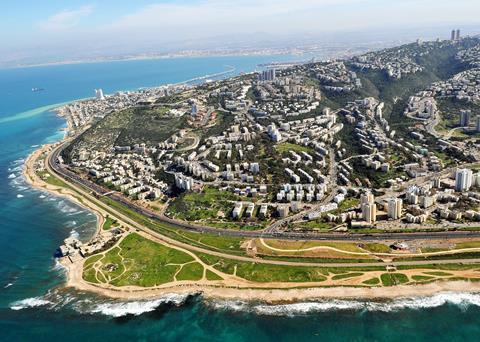
This warning, contained within a major spending bill currently passing through the Senate, follows a review late last year into the deal that would see China's state-owned Shanghai International Port Group (SIPG) operate the terminal for 25 years.
Serious security concerns
The National Defense Authorization Act is in its final stages of passage and is likely to be approved by the Republican-led Senate. It includes a 'sense of the Senate' passage stating that “the United States has an interest in the future forward presence of United States naval vessels at the Port of Haifa in Israel but has serious security concerns with respect to the leasing arrangements of the Port of Haifa as of the date of the enactment of this Act; and should urge the Government of Israel to consider the security implications of foreign investment in Israel.”
Labelling the passage on Haifa as a 'sense of the Senate' means it is not binding, but the implied warning that Israel could face consequences for going ahead with the deal is clear.
According to the Times of Israel, US President Donald Trump met Israeli Prime Minister Benjamin Netanyahu in Washington in March where he reportedly warned that if Israel does not curb its ties with China, its security relationship with the United States could suffer.
Not a deal-breaker
Israeli officials, reporting on the meeting, pointed out that cancelling the tender would be difficult because construction work had already begun. But expert in Israel-China relations, Sam Chester, vice president at investment advisory firm, Indigo Global, told the Jerusalem Post in January that stripping SIPG of the deal would be frustrating for Beijing but not a deal-breaker for future trade.
“Infrastructure and technology are two separate issues and I believe they will be delinked because the Chinese prime interest is not infrastructure,” said Mr Chester.