



Oakland aims for no emissions operations
The US Port of Oakland has set an ambitious target to reduce emissions as part of its air quality improvement plan which is currently out for public review.
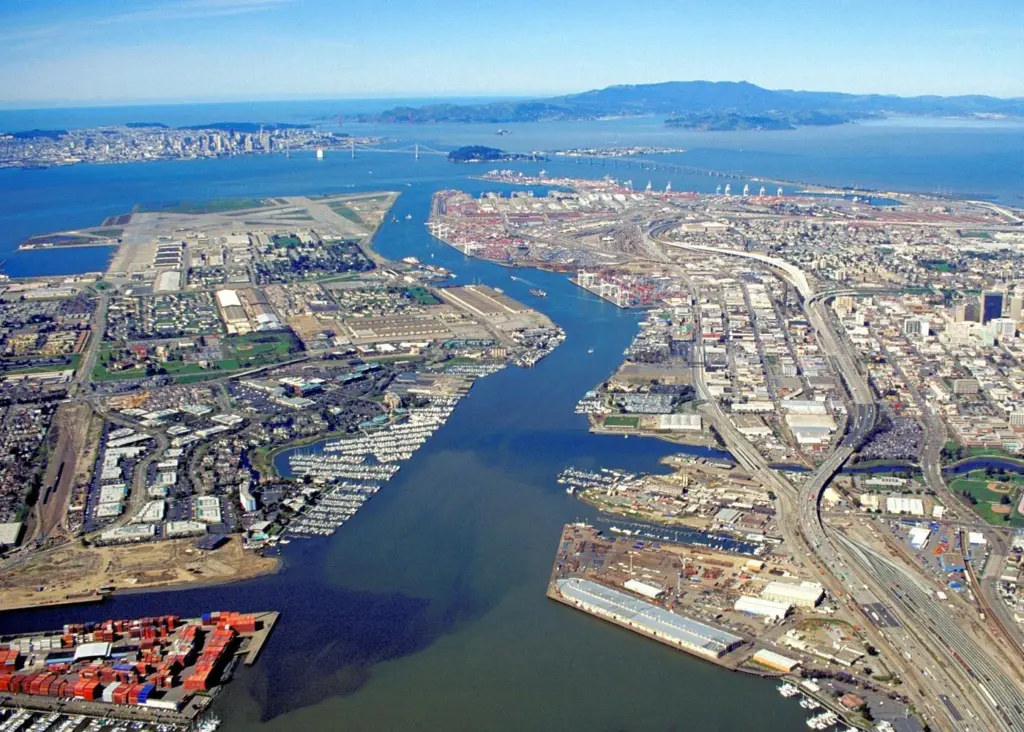
It calls for reducing criteria pollutants and greenhouse gases across the board – technology, feasibility and budget willing.
“This is a bold and ambitious plan. Achieving a zero-emissions seaport will take years, requiring substantial investments in transformative technology, new infrastructure and equipment,” said Richard Sinkoff, director of environmental programs and planning at the port and principal architect of its clean-air plan.
“But we are 100% committed to eliminating emissions related to the movement of containerised trade, wherever and as soon as we can.”
Action plan
Called the Draft Seaport Air Quality 2020 and Beyond Plan (https://security-eu.mimecast.com/ttpwp#/enrollment?key=e2ad06b2-09c9-4cc9-8d41-bd3b44edb9ae), the 30-page document aims to transform how Oakland operates.
It proposes everything from electric trucks to new infrastructure to eradicate freight transport emissions attacking both diesel particulate and greenhouse gas emissions.
Integral to the plan is to continue with the 2009 plan that calls for an 85% reduction in diesel emissions by 2020.
But the port also wants to move towards zero-emissions equipment and operations that reflects the state of California’s 2030 and 2050 greenhouse gas goals and build out electrical infrastructure.
Under the plan, visiting vessels in Oakland would continue switching off engines and plugging into the landside power grid. Nearly 80% of ships calling Oakland do that now. But the plan promotes higher levels of shore power use.
Oakland has reduced diesel emissions from those sources by 76% in the past decade. The port said it wants further reductions – ideally to zero – to mitigate the impact of trade on nearby communities and to abate climate change.
It expects to have a final plan in place by year-end.
Related Articles
 ALTERNATIVE FUELS GREENPORT
 OPERATIONS
 ALTERNATIVE FUELS GREENPORT