![PortStrategy[GreenPort]](https://www.portstrategy.com/wp-content/uploads/2026/09/PortStrategyGreenPort.svg)





APM Terminals extends Aqaba partnership
APM Terminals has extended its concession with the Aqaba Container Terminal in Jordan for a further 15 years.
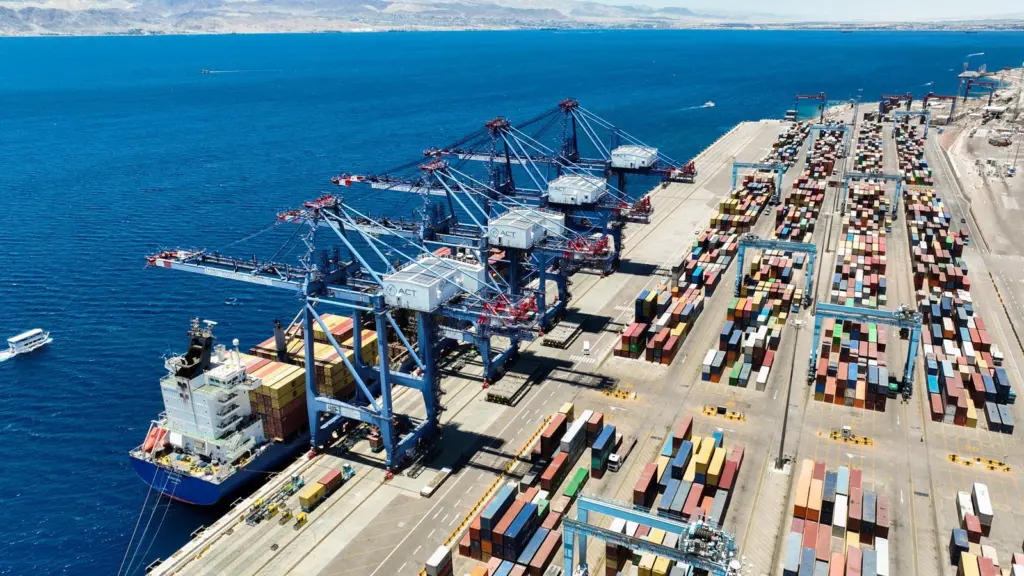
An investment of approximately US$42 million is part of the extended partnership with development plans including solar energy to reduce emissions and help the terminal reach net zero by 2040.
“This renewal marks the next steps of our ambitious future plans to upgrade the terminal in Aqaba,” said Keith Svendsen, chief executive of APM Terminals.
“The extension of the partnership underlines our successful public-private partnership in Jordan and it will help us expand and develop our relationship even further, exploring the opportunities in creating a green corridor connecting the supply chains of Jordan, while at the same time it is a central value for APM Terminals to develop job opportunities and upskilling of our employees to the benefit of the kingdom.”
The terminal has delivered a steady, high productivity with a record high throughput of more than 898,000 teu in 2023, an increase of 5.4% compared to the previous year.
“Since APM Terminals and Aqaba Container Terminal launched their vision for sustainable, empowered and enhanced operations, the commitment and execution by our dedicated teams have been instrumental in bringing this vision to action,” said Harald Nijhof, chief executive of ACT.
In 2023, the port significantly improved its operations with the launch of a new operations command centre and laser-based truck alignment system.
As part of the extended partnership, US$500,000 will be directed towards capacity-building and training programmes for Jordanian workers across various sectors, helping support the region’s economic development.
“Since 2006, this joint venture has consistently delivered outstanding results, improving port operations and promoting sustainable development,” said H.E. Hussein Safadi, chief executive of Aqaba Development Corporation.
“By enhancing our logistics and supply chain, we are not only strengthening our national economy but also setting new benchmarks for environmental responsibility in the maritime industry.”
Related Articles
 EQUIPMENT
 OPERATIONS
 OPERATIONS